145th Anniversary Commemorative Series, Vol.5
Expansion of Business Domains and the Transition to a Global Company (Growth and Globalization Era: 1980–1999)
Opening of Meiji Memorial Hall to Commemorate the 100th Anniversary
The Nippon Paint Group’s strengths extend beyond the manufacture and supply of surface treatment agents and paints to include the design and construction of surface treatment and coating facilities. From 1980 onward, the Group steadily expanded its presence in the facilities business, achieving approximately fivefold sales growth over the subsequent decade. During this period, the pre-coating method, whereby paint is applied to metal materials prior to processing, began to find broader application beyond building materials such as colored metal roofing. The method was increasingly adopted in the home appliance sector, with audio equipment, refrigerators, and air-conditioning units successively transitioning to pre-coated materials.
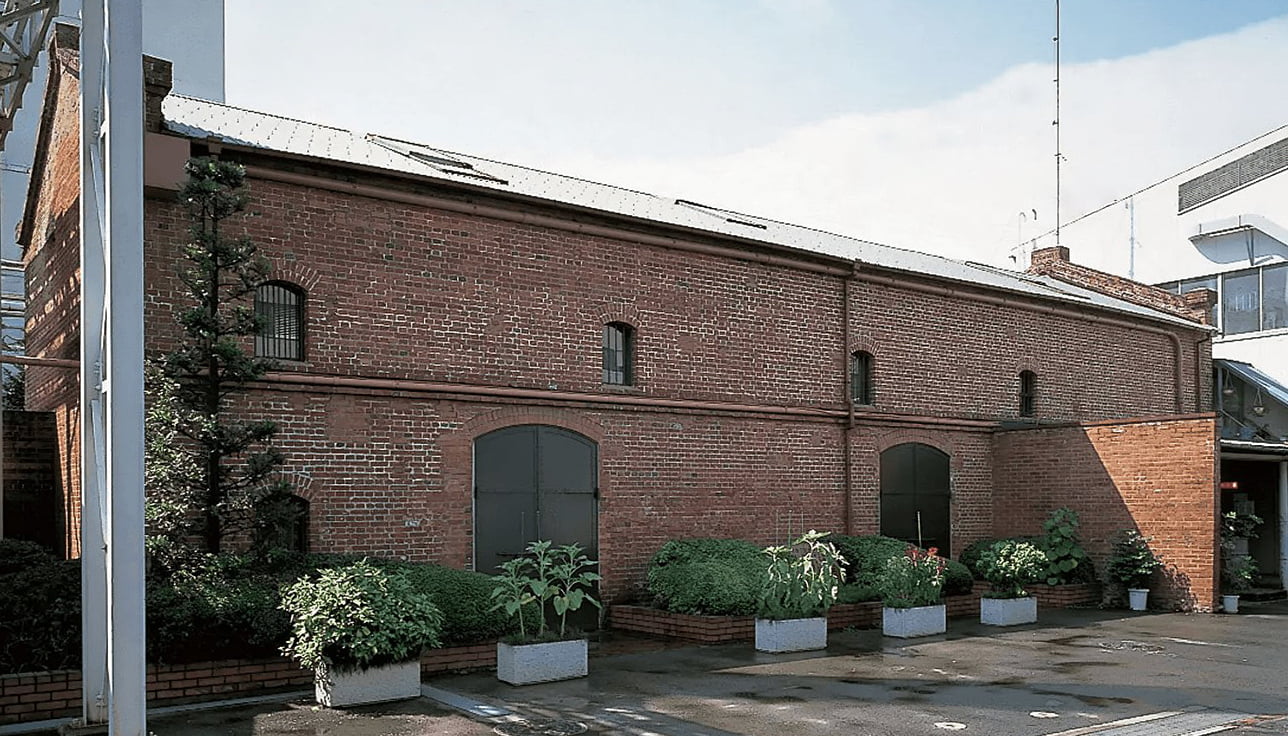
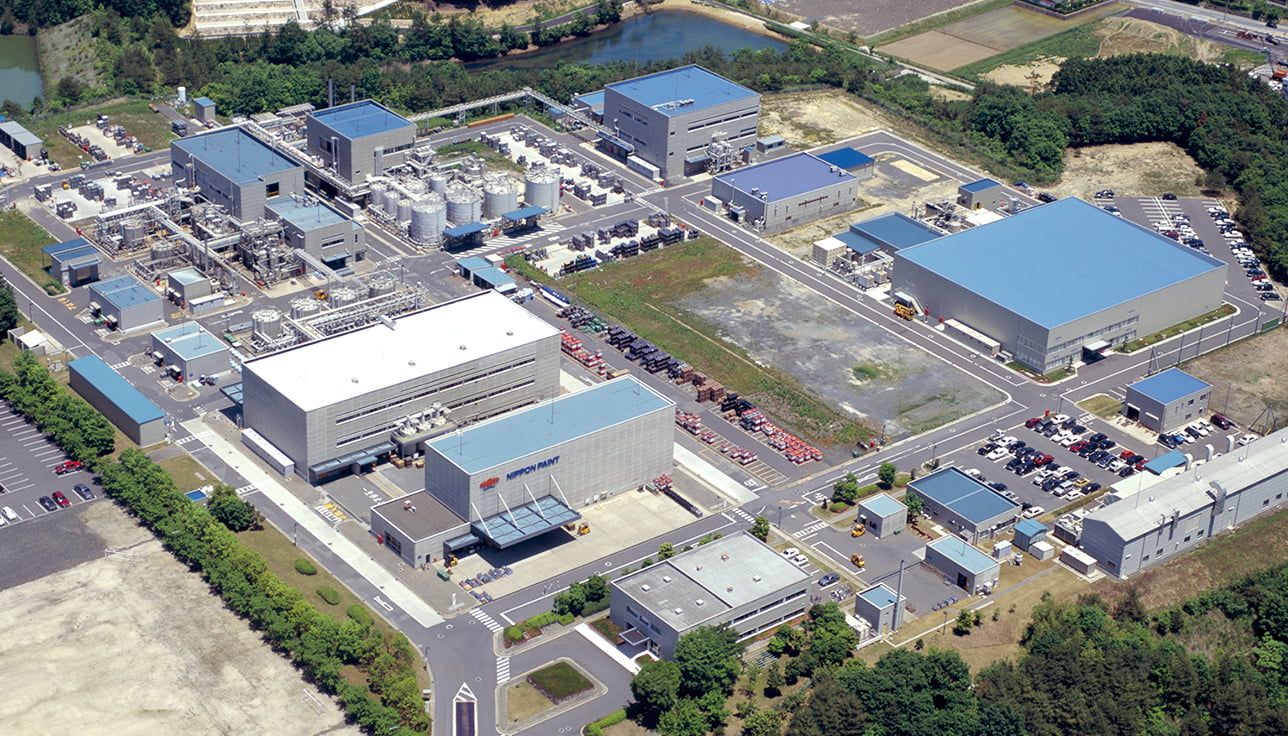
In 1981, the Nippon Paint Group marked the 100th anniversary of its founding with the opening of Meiji Memorial Hall in Minami-Shinagawa, Tokyo. That same year, the Tochigi Plant was established to serve the decorative paints market in eastern Japan, followed by the completion of the Okayama Plant in 1984 to support the production of paints, resins, and related products. To address labor shortages, enhance cost competitiveness, accelerate production, and meet other emerging needs the Group also moved proactively to introduce factory automation (FA). Automation was progressively implemented across most stages of production, from raw material receipt and weighing through transfer, processing, and shipment.
Expansion into the UK, U.S., and Asian Markets and the Development of New Marine Coatings
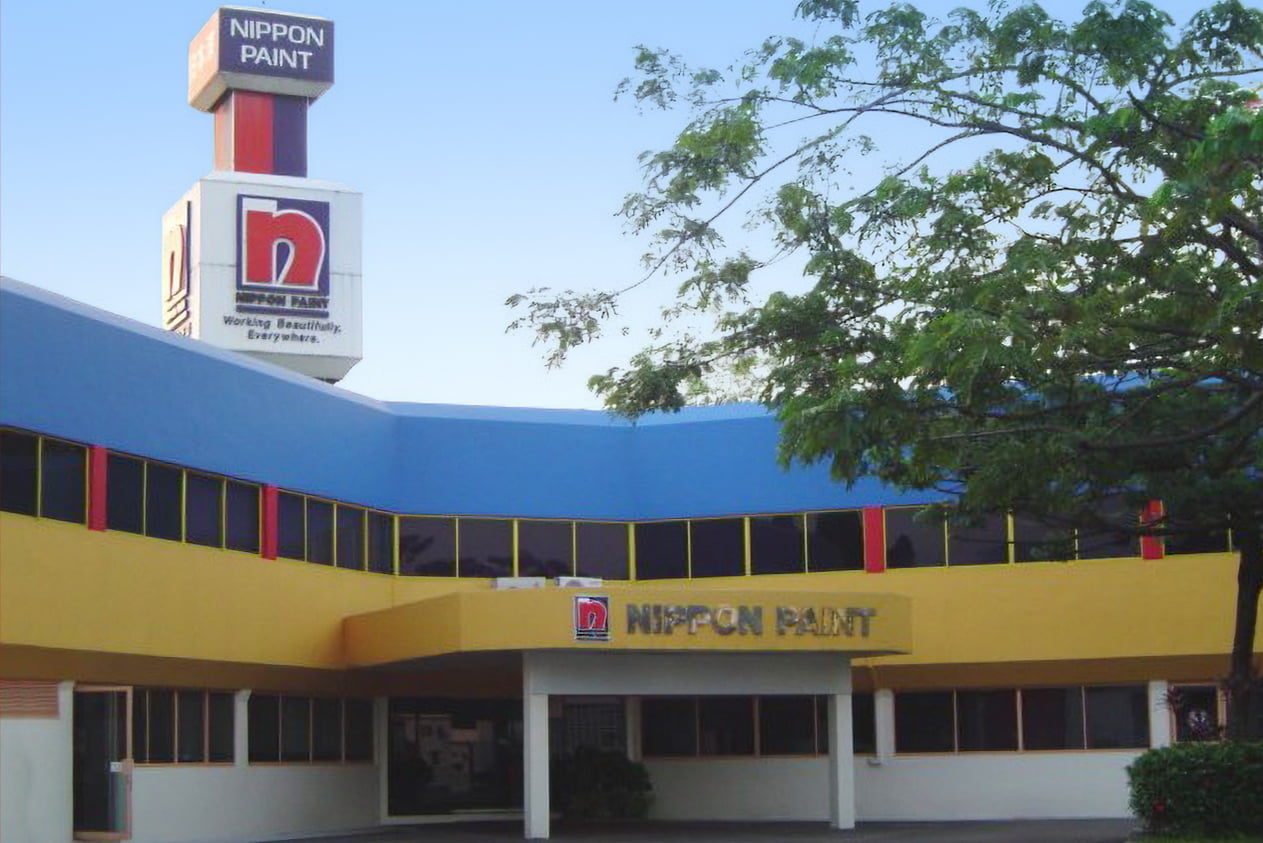
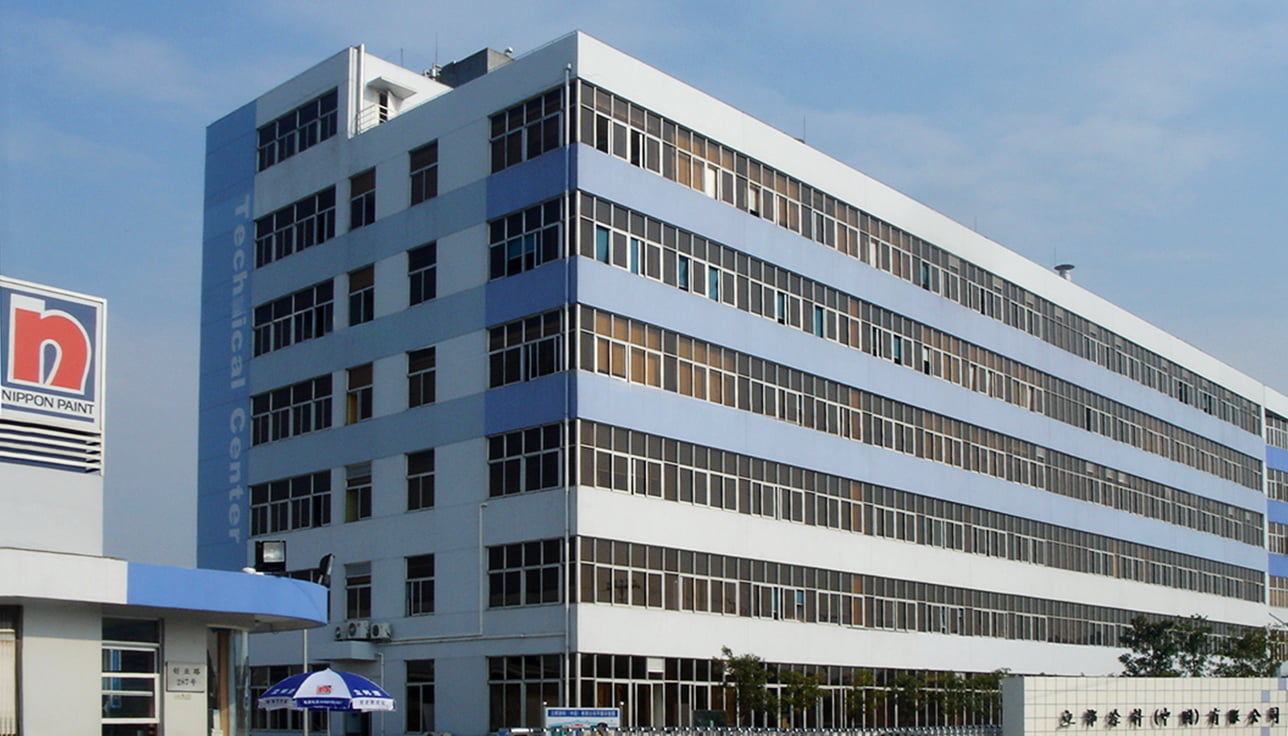
From the 1980s onward, regulatory controls on organic solvents grew increasingly stringent, particularly in Europe and the United States. As environmental regulations tightened, demand rose for water-based paints and powder coatings, accelerating the industry’s shift toward lower-VOC solutions. In response to these trends, Nippon Paint Thailand constructed a new powder coatings plant in 1991. The Group also strengthened its presence in Europe and North America, establishing Nippon Paint Europe in the United Kingdom in 1989 as its regional headquarters, followed by the establishment of Nippon Paint USA in 1990 and the commencement of production there in 1992. In parallel, Nippon Paint expanded rapidly across Asia. Nippon Paint China was founded in 1992, with production facilities subsequently established in Shanghai, Guangdong, Suzhou, Chongqing, and Beijing. Through the steady expansion of local production bases, the Group accelerated its global development while proactively responding to growing environmental concerns.
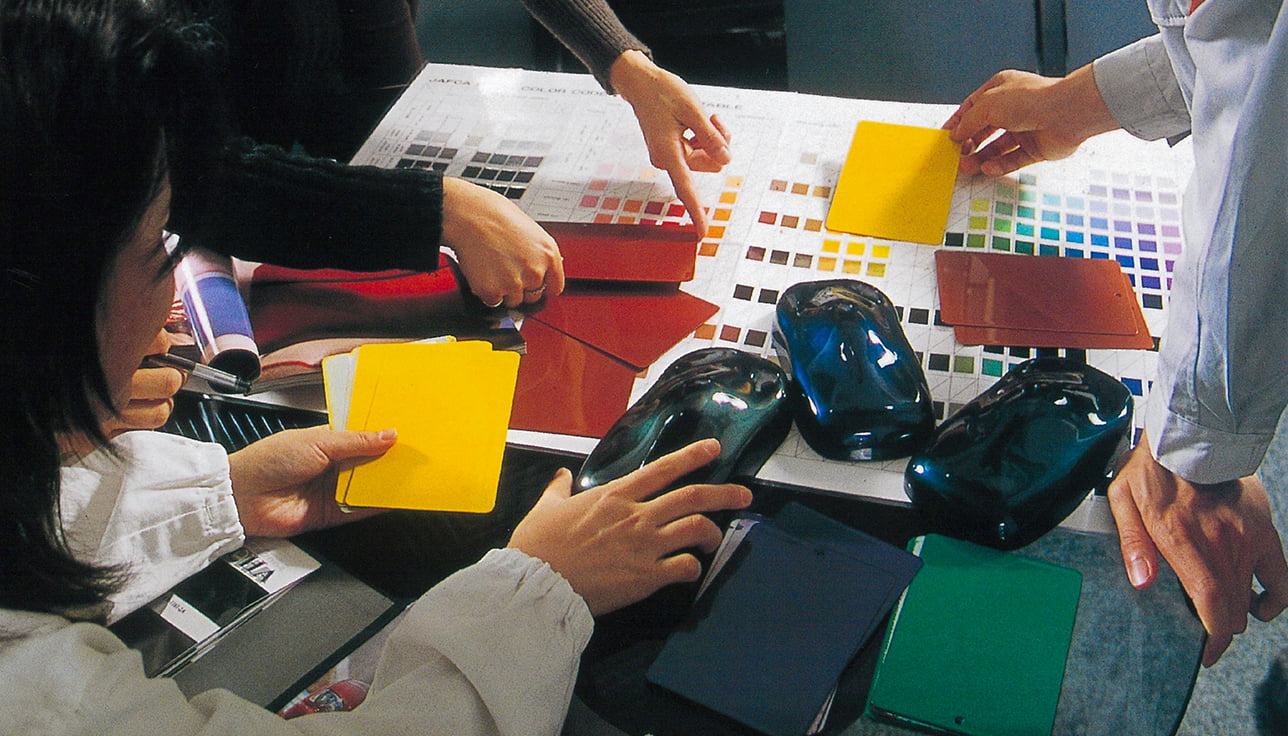
Furthermore, the Group placed strong emphasis on the development and nurturing of new technologies and business domains. Leveraging its core resin synthesis technologies, it expanded into fields such as materials for diagnostic reagents used in medical testing, as well as dyeing technologies incorporating biotechnology. At the same time, the Group actively advanced color design proposals, which earned growing recognition and high regard. In the marine coatings segment, the Group developed a new environmentally conscious marine coating, with the first vessel adopting this product entering service in 1990.
Paint Technologies Extending from Airports and Ships to Outer Space
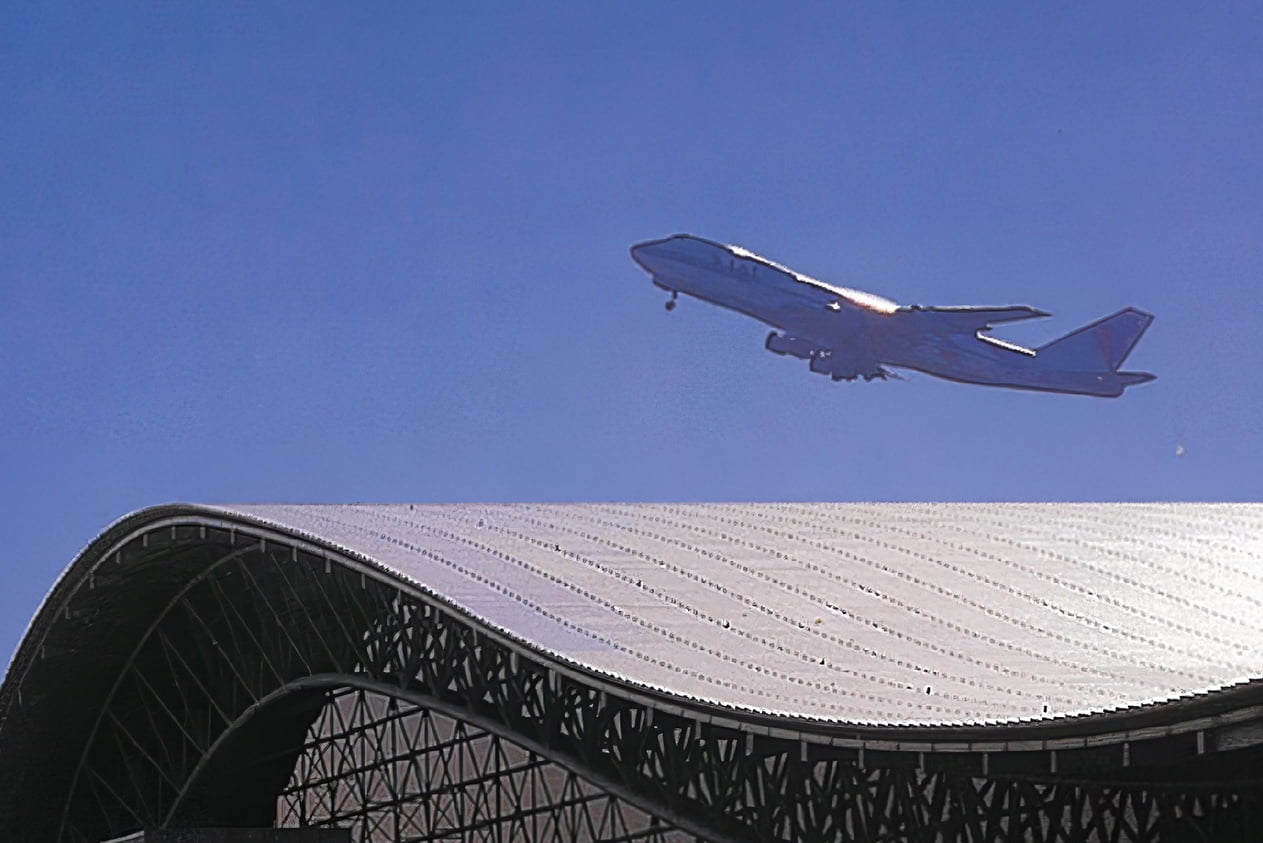
In the early 1990s, advances across a wide range of technologies drove significant progress in coating performance and applications. The HI-PON series of heavy-duty anti-corrosion coatings, highly acclaimed for their ability to protect large steel structures, were adopted in major infrastructure projects such as the Kansai International Airport Access Bridge and the Tokyo Bay Aqua-Line. In 1993, the Group expanded its technological frontier into the space field by developing thermal control coatings for space equipment, including a white coating for satellite antennas and a black coating for optical instruments installed within satellites.
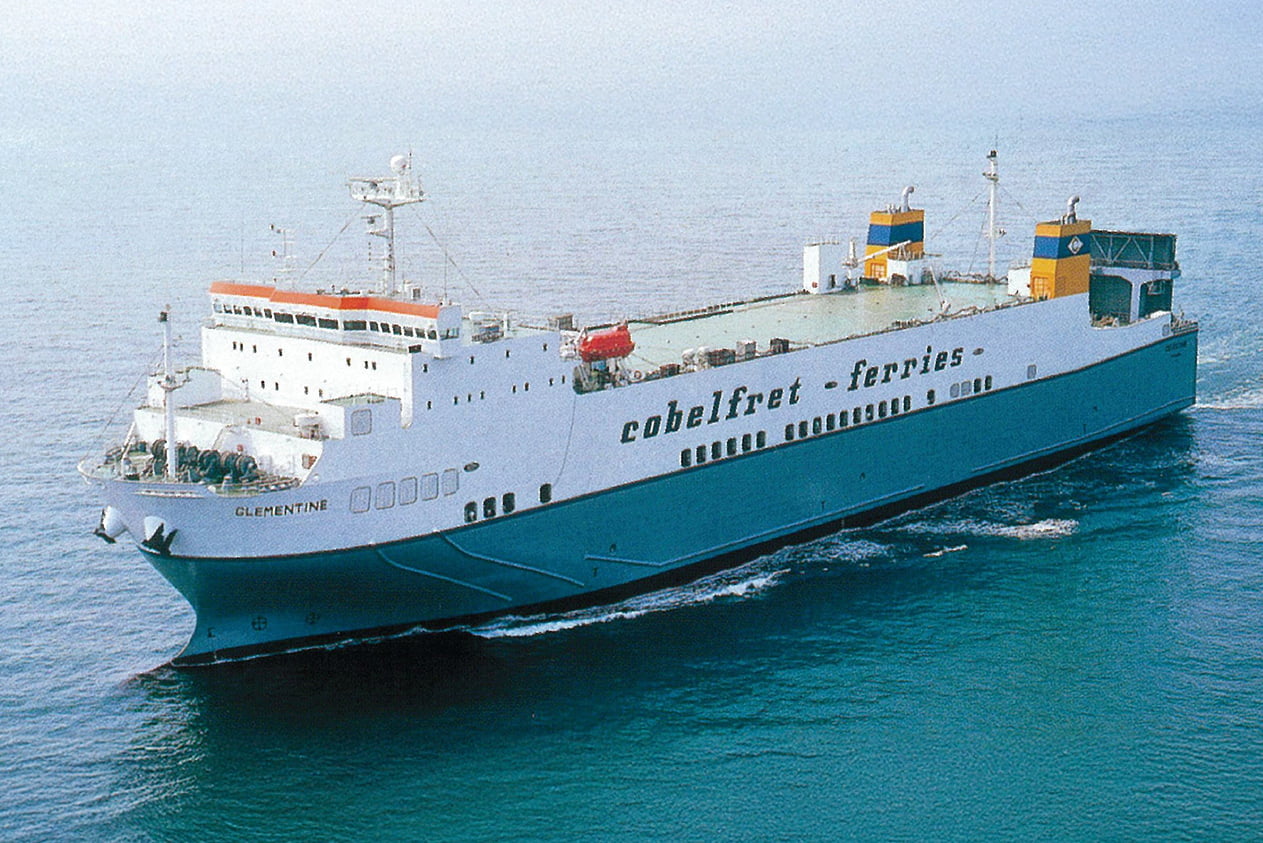
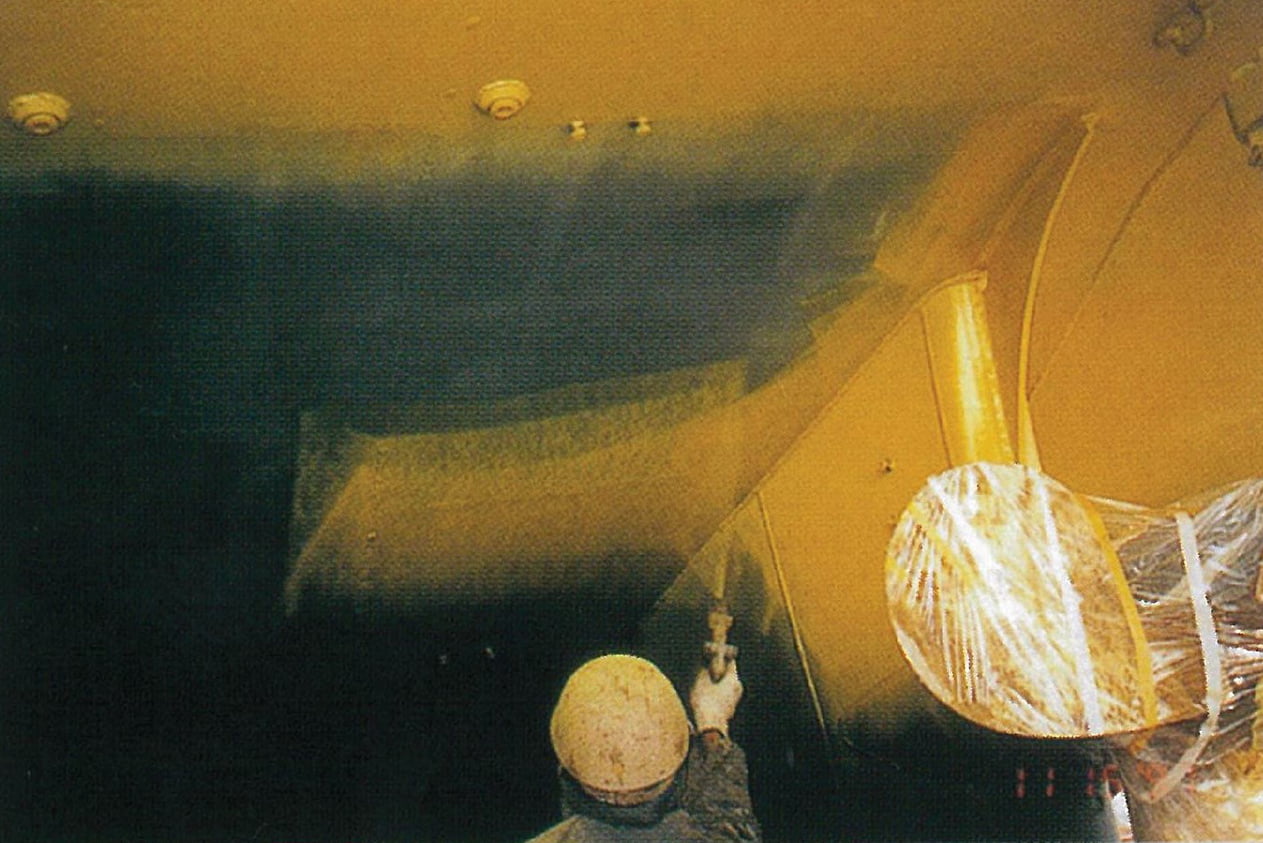
At the same time, efforts to advance environmentally responsible coatings were further strengthened, leading to the development of self-polishing antifouling paints for ship hulls. In 1994, the marine coatings business was spun off to form Nippe Marine Sales Co., Ltd. (later renamed Nippon Paint Marine Coatings Co., Ltd.). The company subsequently introduced the NOA ship coating system, an innovative technology in which the substrate remains visible until the coating reaches the specified film thickness, at which point it becomes fully concealed. This visual indicator eliminates the need for separate film-thickness measurements and touch-up work, thereby reducing waste in both paint consumption and application processes.
Industry’s First Groupwide ISO 14001 Registration
Against the backdrop of continued efforts within the automotive industry to streamline operations and reduce costs, the Nippon Paint Group developed a system that shortened pre-coating treatment lines by more than 30%. The core system was completed in 1995 and subsequently adopted across the automotive sector.
Building on this system development capability, the Group entered into a technical alliance the following year with Chemetall of Germany, a company recognized globally for its advanced surface treatment technologies. Under this partnership, the two companies agreed to exchange surface treatment technologies and jointly develop new surface treatment agents.
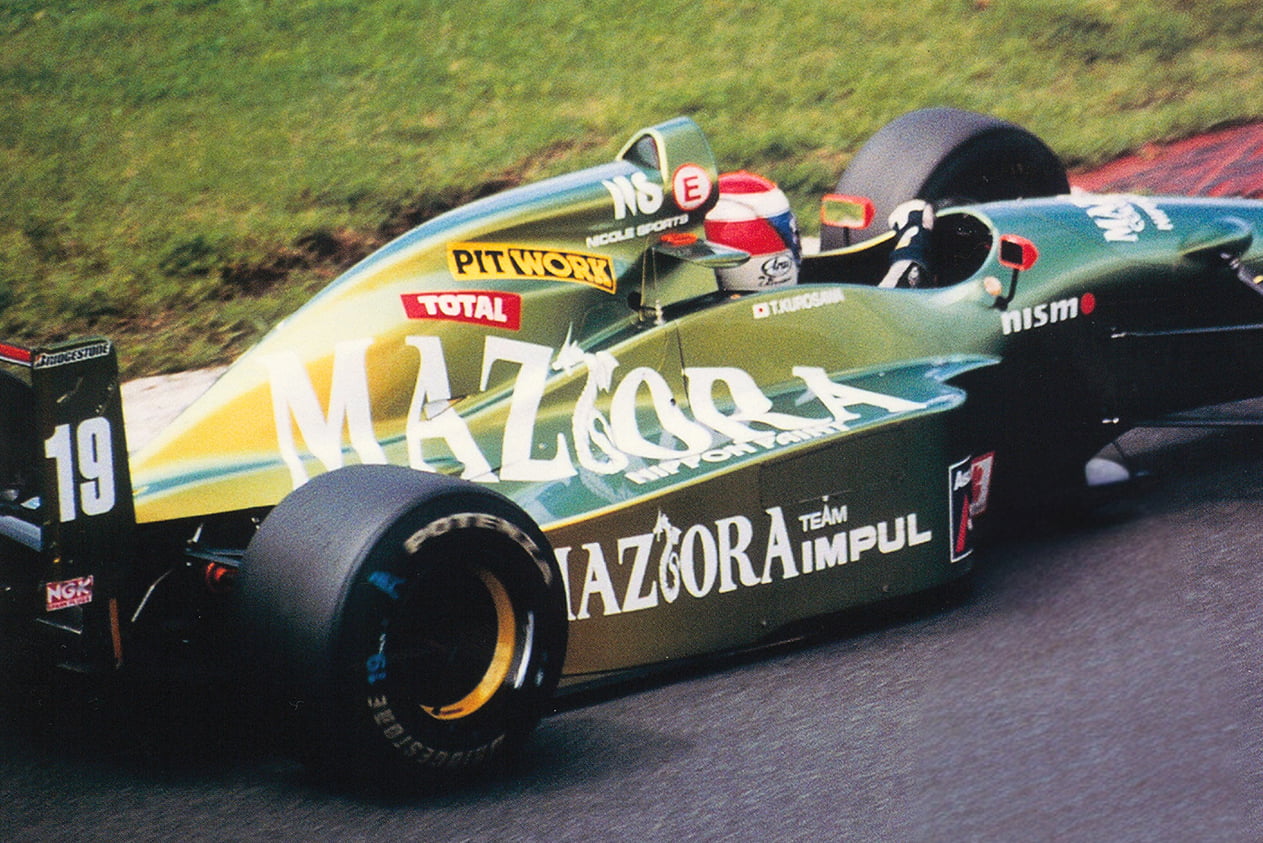
In the same year, the Group also introduced the “nax Admila” series of automotive refinish coatings, expanding its portfolio of specialty acrylic resin paints that combine excellent workability with superior finish quality. In 1998, this lineup was further enhanced with the launch of “nax Admila Maziora,” a multicolor iridescent coating that exhibits shifting hues depending on the viewing angle, evoking the brilliance of a jewel beetle.
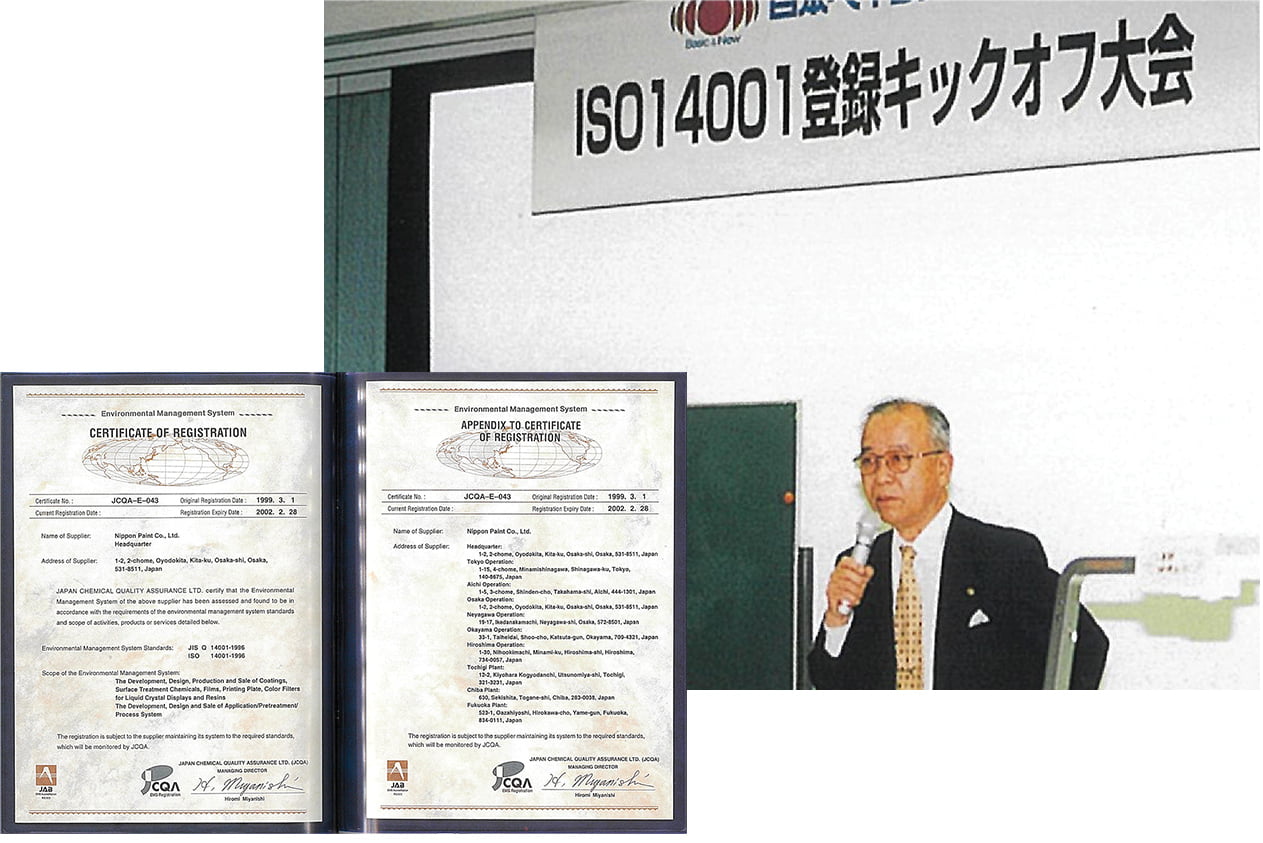
Overseas, Nippon Paint Singapore took the lead in obtaining ISO 14001 certification, followed by NP Automotive Coatings Europe in the United Kingdom. In 1999, the Group became the first in the industry to achieve groupwide ISO 14001 certification through a unified audit encompassing all group companies, thereby establishing a global environmental management standard. Since then, the Group has actively advanced the development and adoption of environmentally responsible paints and systems, promoted green procurement initiatives, and pursued reductions in waste paint generated during manufacturing processes.