
- Global
- 2026.03.10
Where Tradition Meets Innovation: Products and Technologies That Will Shape the Future Vol.2 A “Red” Like No Other Forged Through 50+ Years of Co-Creation with Mazda
Inside the Relentless Pursuit of Innovation by Automotive Coatings Developers
SHARE


The Nippon Paint Group has advanced its proprietary technologies through close, long-term collaboration with its customers – sharing not only technical requirements, but also a common vision for value creation. One defining example is the development of Soul Red Crystal Metallic, a premium color central to Mazda Motor Corporation’s KODO – Soul of Motion design philosophy, bringing a striking sense of vitality and presence to its vehicles.
Through a process of co-creation that transcended corporate boundaries, the teams challenged the conventional limits of automotive coatings and delivered innovation with genuine market impact. At the heart of this journey was a simple yet unwavering ambition: to redefine what “red” could mean in automotive design.
Mazda’s Signature “Red” is Expressed Through More Than 40 Different Shades
For nearly six decades, Nippon Paint Automotive Coatings Co., Ltd. (NPAC) has worked side by side with Mazda Motor Corporation (Mazda), co-developing an extensive spectrum of “red” finishes that have become inseparable from the Mazda brand identity. This enduring partnership dates back to 1967, when NPAC established an on-site presence at Mazda’s Hiroshima Plant.
To date, this partnership has given rise to more than 40 distinct shades of red. Among the most iconic are Sunrise Red, introduced on the fifth-generation Familia launched in 1980, and Classic Red, featured on the Eunos Roadster, the lightweight sports car released in 1989 – both widely regarded as signature “hit colors” that left a lasting mark on the market.
Building on this legacy, the two companies have continued to introduce reds that resonate with the spirit of their times. These include Vintage Red, developed for the third-generation ɛ̃fini RX-7, the rotary-engine sports car launched in 1991, and Velocity Red Mica, created for the RX-8, introduced in 2003 and distinguished by its sporty styling and rear-hinged rear doors.
Among Mazda’s extensive palette of reds, Soul Red Crystal Metallic (hereafter “46V”), introduced in 2017 following the launch of Soul Red Premium Metallic in 2012, has come to be regarded as emblematic of the Mazda brand. Even as white pearl and black remain among the most popular body colors globally, 46V stands apart as a particularly coveted finish – attracting attention not only from customers, but also from European automakers. Beneath its striking visual presence lies a series of breakthrough technologies that extend well beyond the conventional boundaries of automotive painting.
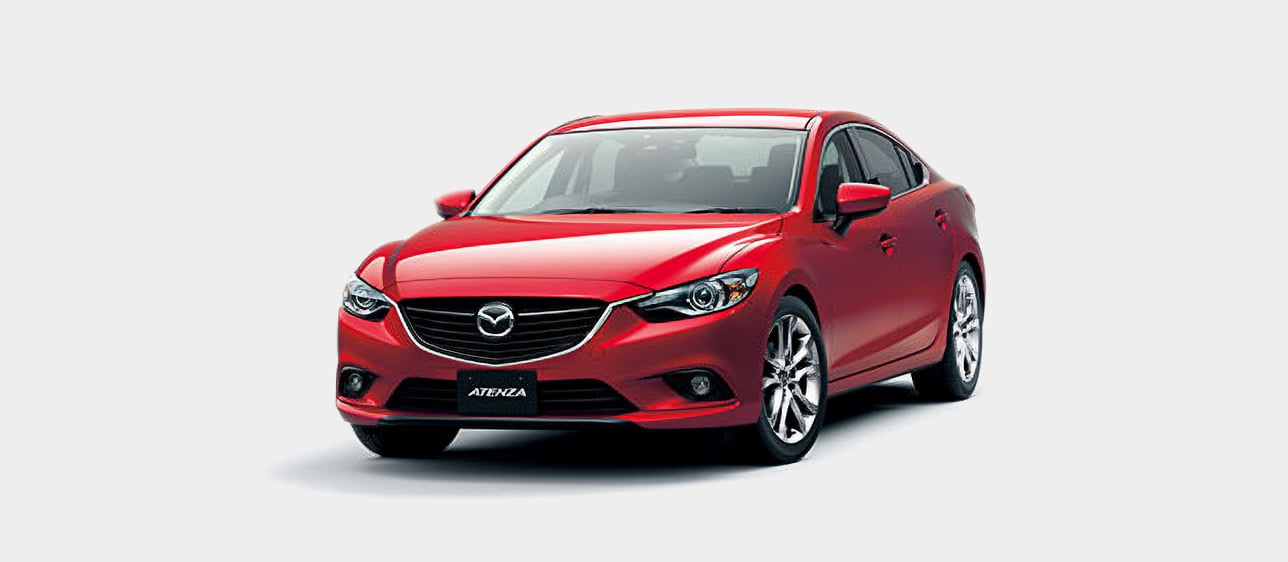
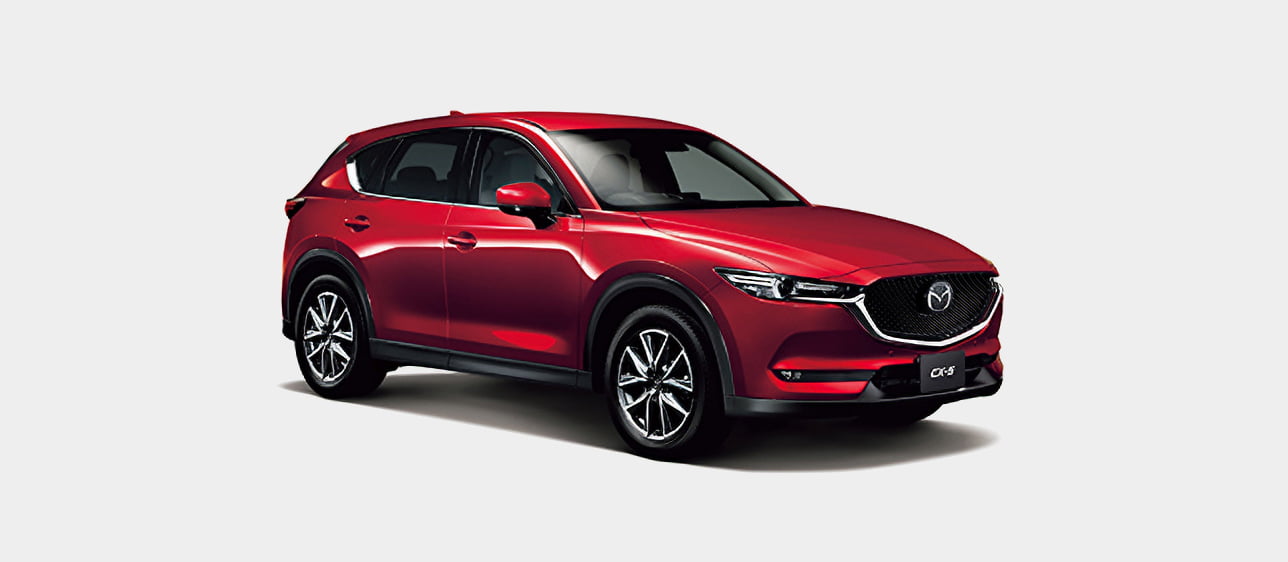
No Giving Up: Pushing the Limits of Automotive Coatings
In the field of automotive coatings, one enduring challenge has long stood in the way of creative ambition: closing the gap between a color conceived at the design stage and the color ultimately realized in mass production. To translate a designer’s vision into a commercial product, a coating must satisfy stringent durability standards while also delivering stable, high-volume manufacturability. For many years, it was widely accepted that compromises were inevitable – that subtle shifts in color would occur, and that the original design intent could never be reproduced with complete fidelity.
Yet Mazda and NPAC’s development teams chose not to accept this long-standing industry assumption as something that “couldn’t be helped.” In retrospect, many involved recall a shared conviction: they would continue searching for solutions – without compromise or resignation – until the targeted color could be reproduced as intended.
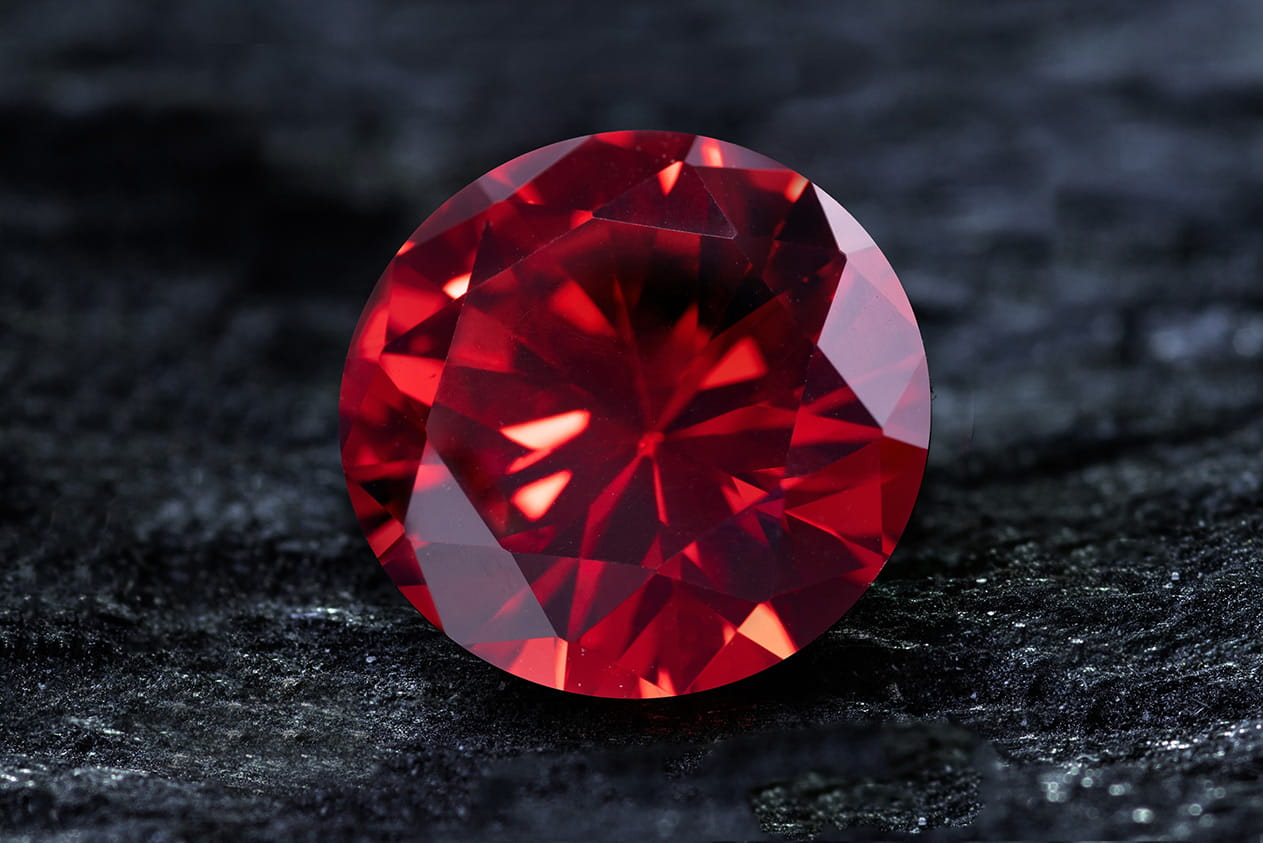
To share the image of the completed finish, a Mazda designer presented examples such as a gemstone emitting a deep crimson glow. From the moment the phrase, “Let’s recreate this brilliance on the body,” was spoken, the “46V” co-creation project began.
Nano-Scale Pigment Dispersion Technology: Achieving the Perfect Balance of Aesthetics and Performance
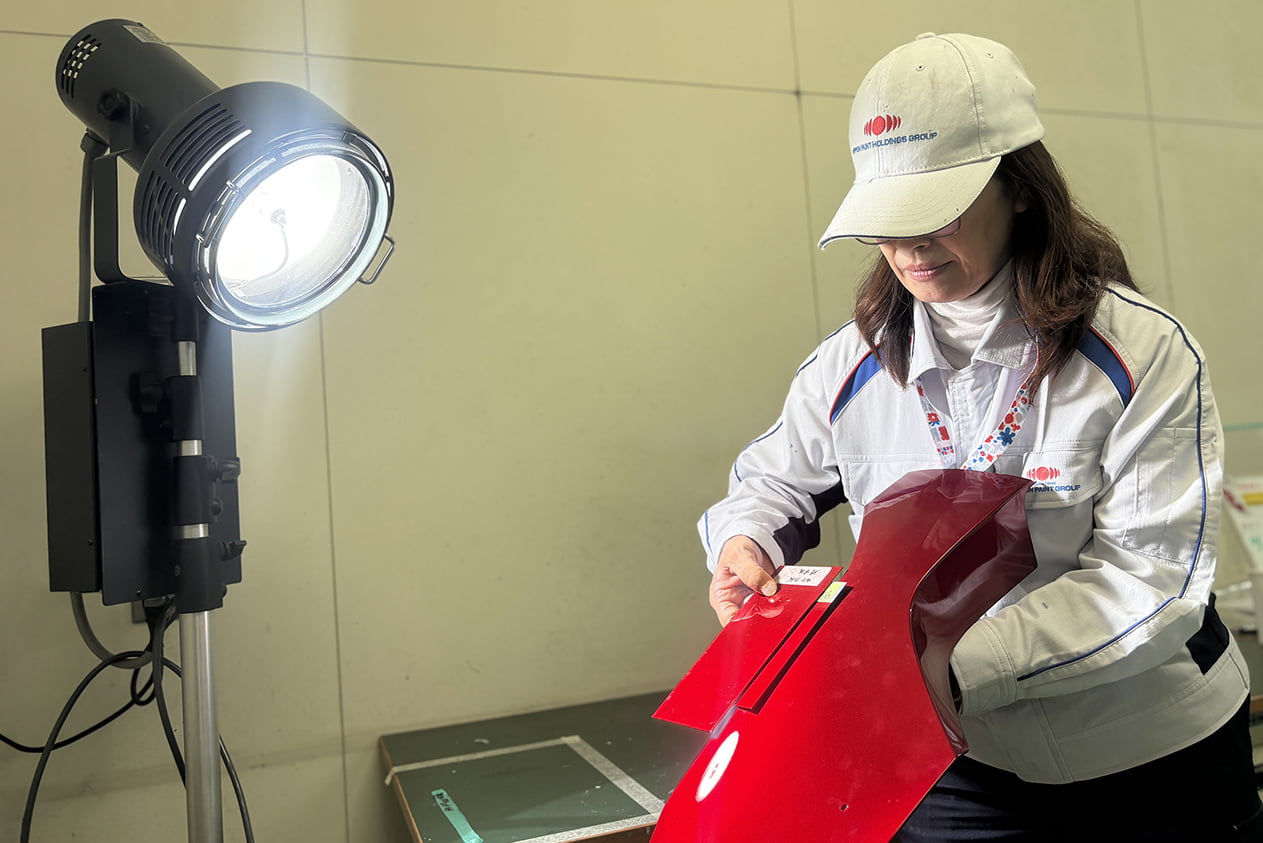
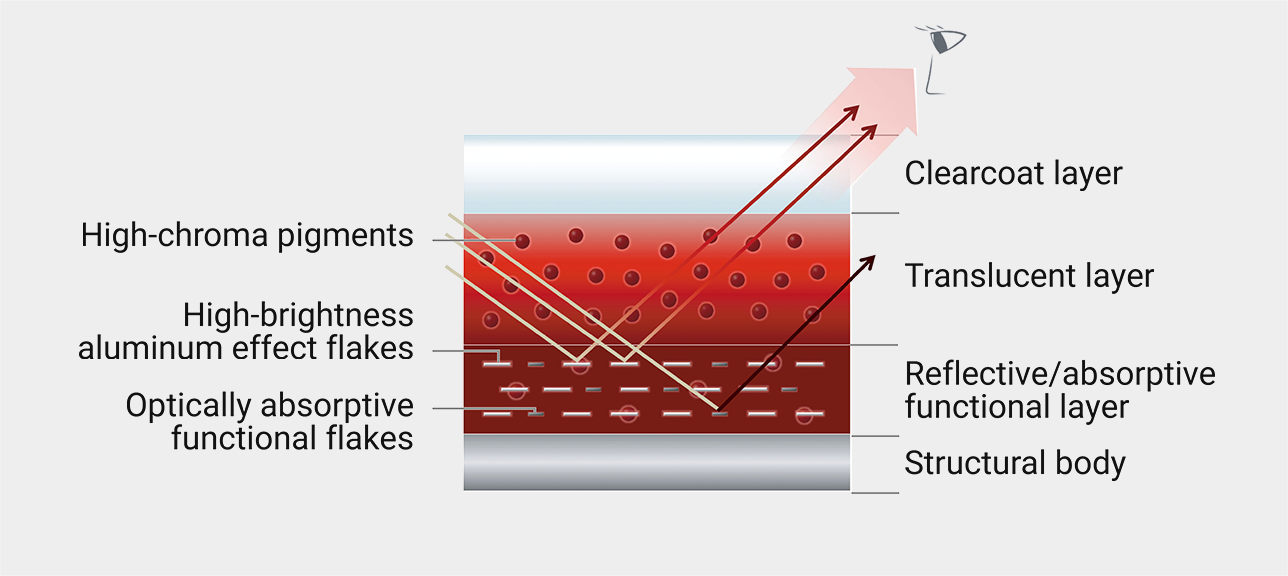
To realize their ideal shade of red, the development team pursued an advanced multi-layer automotive coating design. They initially adopted a straightforward two-layer structure: a reflective/absorptive base layer and a translucent second layer. Their concept was to enhance depth and shadow in the first base coat (the layer closest to the body) by incorporating a reflective/absorptive layer, and then apply a second base coat on top – a translucent layer – to achieve a clear, high-chroma red. However, existing pigment combinations were unable to produce their ideal shade. As a result, the team began exploring an alternative approach.
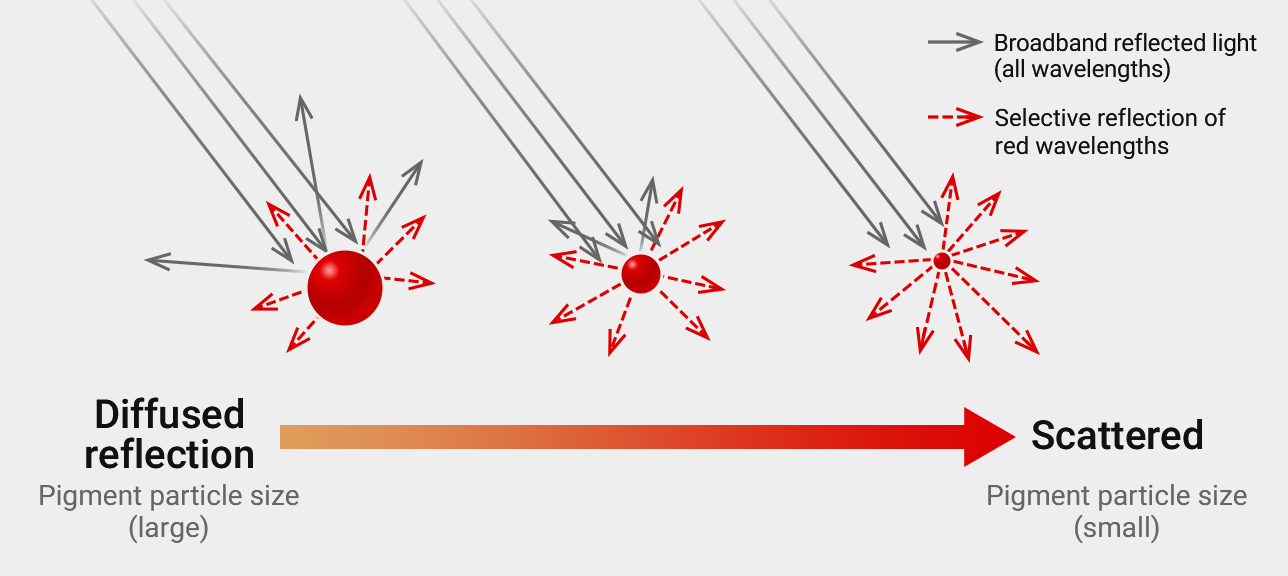
Producing a clear, high-chroma red requires minimizing light scattering, which in turn demands reducing pigment particle size. Inks, for example, use dissolved dyes rather than dispersed particles, resulting in brighter, more saturated colors. Yet dyes are unsuitable for automotive coatings. They lack the durability and weather resistance required to withstand prolonged outdoor exposure. Conversely, achieving comparable clarity and saturation with pigments – while maintaining their superior weather resistance – requires reducing pigment particles to an ultra-fine, nanometer-scale size and dispersing them uniformly. However, nano-dispersion presents significant technical challenges. As particle size decreases, surface area increases dramatically, which can undermine pigment stability and negatively affect weather resistance. The particles themselves may also become more susceptible to structural damage during processing, potentially compromising long-term durability. In addition, the dispersion process can become more time-consuming, which may reduce production efficiency.
A Vivid “Red,” Made Possible by Mutual Trust
In the development of “46V,” the team set out not merely to refine existing methods, but to create new technologies capable of overcoming the challenges before them. One decisive step was the introduction of a nano-dispersion system – equipment that, at the time, had no proven track record in automotive coatings – together with extensive optimization of dispersion materials and processing conditions.
By dispersing pigments with unprecedented fineness and uniformity, the system delivered exceptional surface quality and vivid color expression. Introducing such equipment before it was even commercially available was highly unconventional, particularly under a compressed development schedule. Yet this bold decision, made in response to the customer’s expectations, proved pivotal. The investment resulted in a robust technological foundation that reduced pigment particle size while preserving stability and weather resistance, ultimately elevating the overall value of the product.
At the same time, paint development alone was not sufficient to resolve every challenge. Mazda has incorporated proprietary innovations into its manufacturing process to ensure stable exterior quality. The company engineered specialized painting techniques that ensure uniform alignment of high‑brightness aluminum flakes, enabling a smooth surface finish. Mazda has also developed newly optimized technologies for mold design and press‑forming processes.
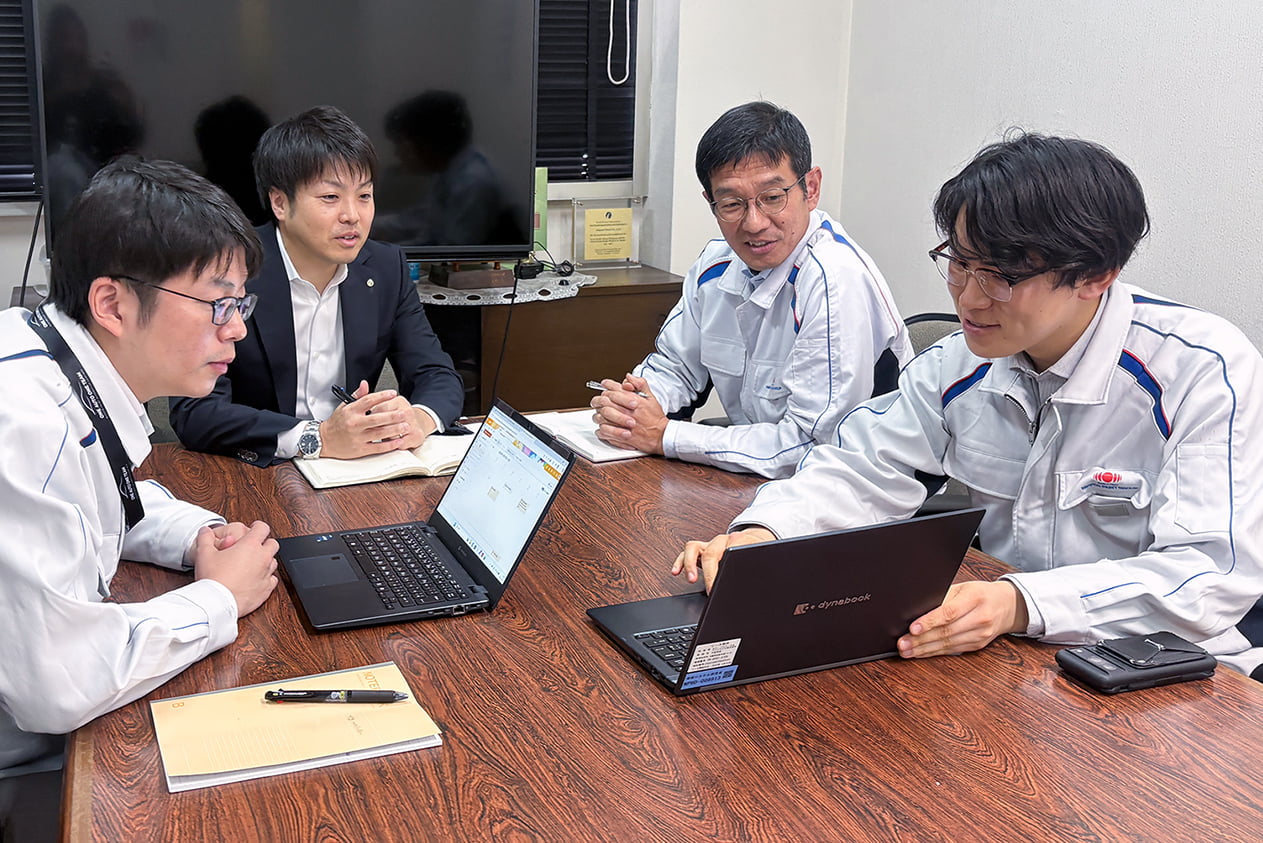
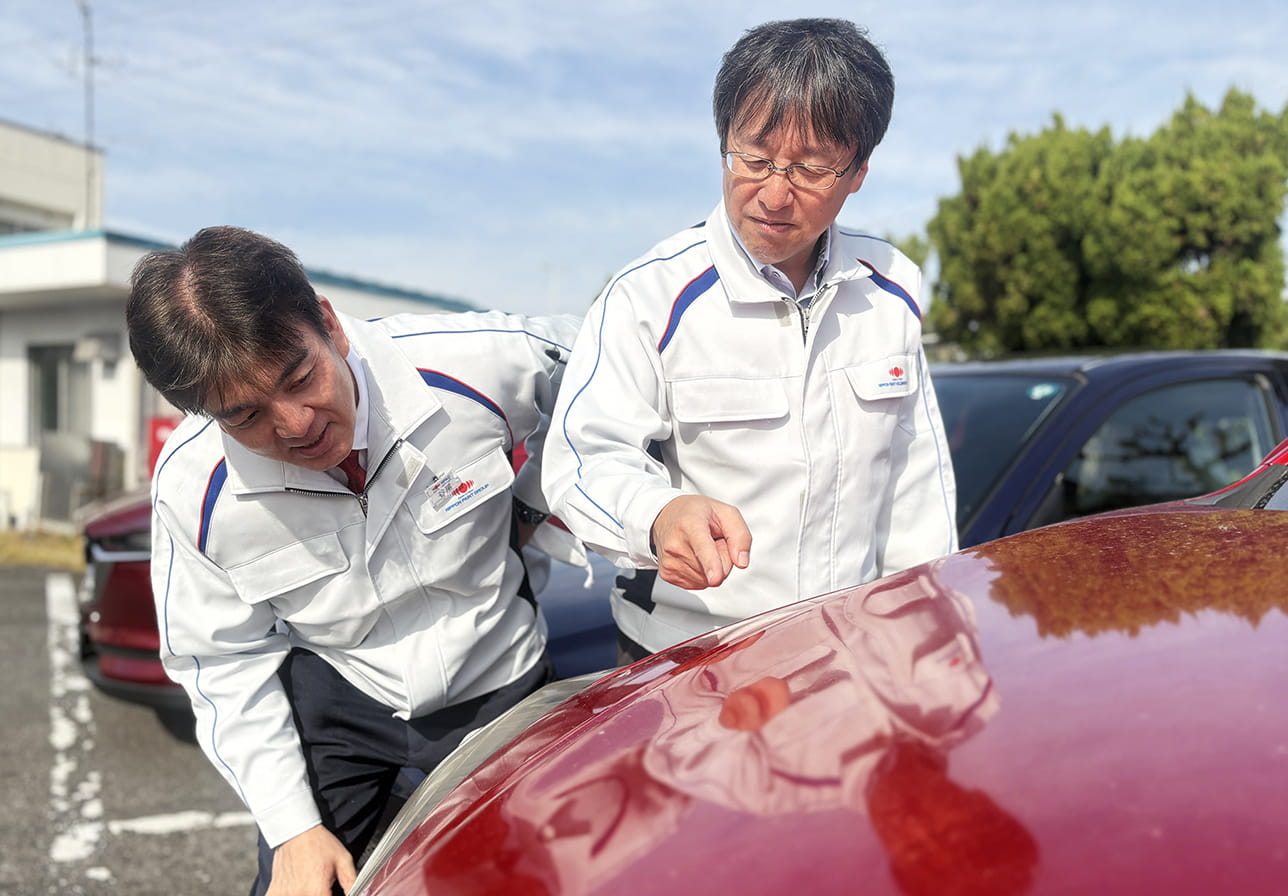
The distinctive “46V” hue – characterized by rich, multi-dimensional shading and clear, haze-free brilliance – was realized through a genuine co-creation partnership. Rather than operating within traditional silos, with NPAC focused solely on paint formulation and Mazda on equipment and production, both teams advanced the project by openly sharing challenges and jointly refining solutions at every stage of development.
Passing On Technology and Opening Up Future Possibilities
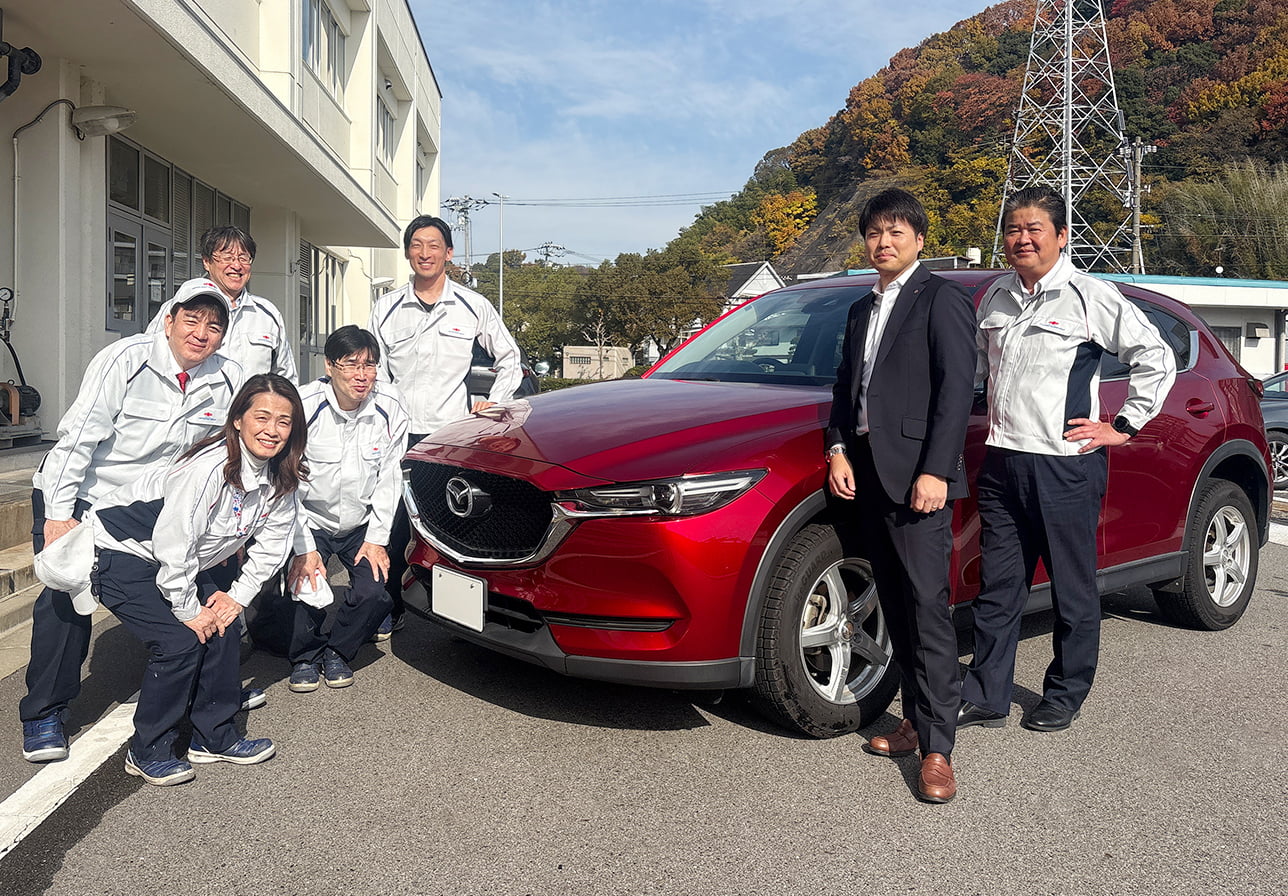
The “46V” co-creation project took shape when Mazda and NPAC aligned around a single ambition: to create a red unlike anything the world had seen before. Its realization was driven not only by the development team’s uncompromising commitment to design and quality, but also by a strong sense of ownership and enthusiasm shared across functions – including sales, production, and procurement.
Defined by exceptional saturation, transparency, and depth of shading, this distinctive red continues to leave a lasting impression on the market. Today, a central challenge shared by both partners lies in passing this technology on to the next generation. Built on a relationship that enables open and candid dialogue, the two companies actively exchange ideas on how best to pass on not only technical expertise, but also the underlying mindset to younger generations.
With global expansion in view, another shared challenge lies in establishing optimal production frameworks tailored to each country and region. This will require further strengthening capabilities while carefully accounting for local legal requirements and cultural norms, as a number of hurdles are already beginning to emerge. Looking ahead, Mazda and NPAC will continue to accelerate their co-creation, embracing new challenges as they work to expand future possibilities.