- Global
- 2026.03.10
Where Tradition Meets Innovation: Products and Technologies That Will Shape the Future Vol.3 The Culmination of Technological Excellence Since Our Founding – “FASTAR,” A Next-Generation Antifouling Paint That Suppresses Marine Biofouling
SHARE


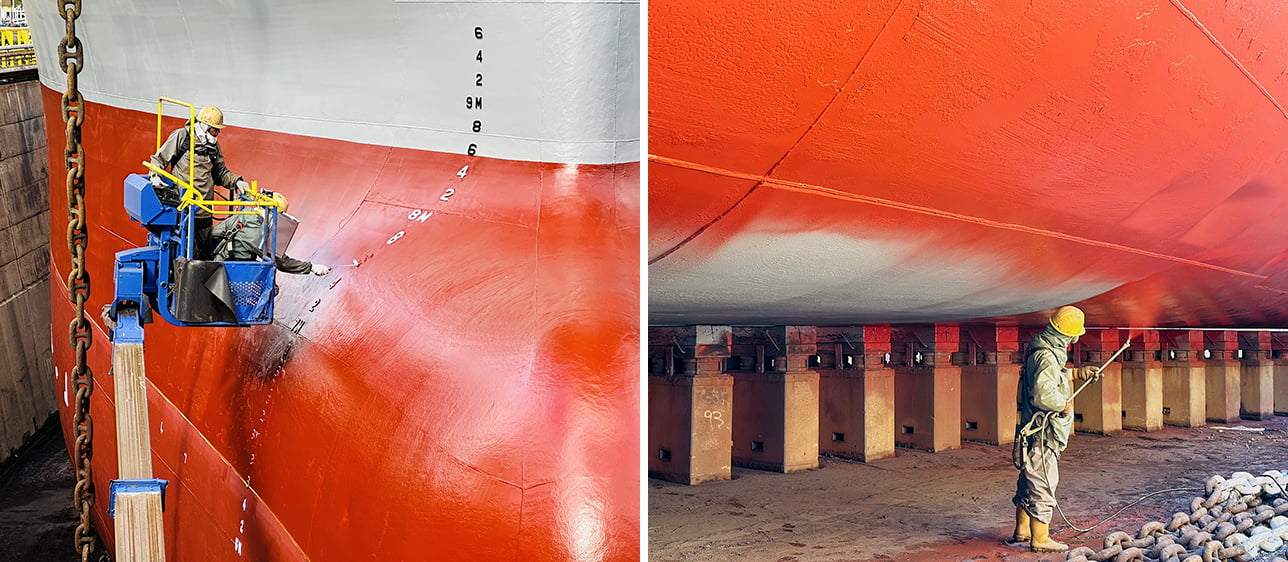
Marine coatings play a vital role in ensuring the safety and operational efficiency of vessels. Among them, coatings applied to the underwater hull face the most severe conditions, as the hull remains continuously submerged and is therefore highly susceptible to marine fouling. Since its founding, the Nippon Paint Group has been dedicated to developing marine coatings that address the diverse challenges faced in maritime operations. By building on technologies cultivated over our long history – while simultaneously pursuing fundamentally new approaches – we have developed FASTAR, a next-generation antifouling paint designed to suppress the adhesion of marine organisms.
Successive Launches of Key Products and Technologies Underpinning Antifouling Coatings
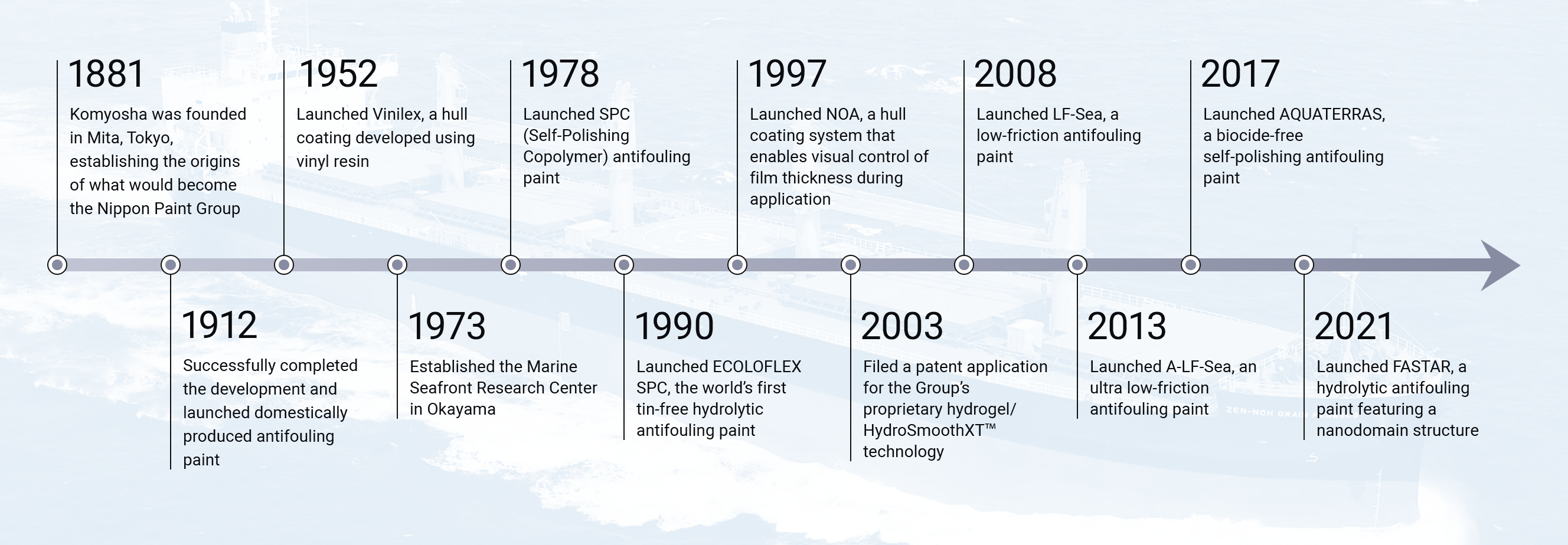
Since its founding in 1881, the Nippon Paint Group has continuously taken on the challenge of developing marine coatings. To this day, the Group continues to evolve and supply innovative products that contribute to the advancement of the global maritime industry and the preservation of the marine environment.
Launched ahead of the market in 1990, ECOLOFLEX was developed in response to newly emerging issue of marine pollution caused by organotin compounds used in conventional antifouling paints. As the world’s first tin-free, hydrolyzing self-polishing antifouling coating, it was designed to enable easy replacement of conventional antifouling paints on all vessel types. In 2008, LF-Sea was introduced, incorporating the Group’s proprietary HydroSmoothXT™ technology to achieve greater fuel efficiency than earlier products. This was followed in 2013 by A-LF-Sea, which featured an enhanced, next-generation version of the core technology. By reducing hydrodynamic frictional resistance during navigation, both coatings help lower fuel consumption and have contributed to further reductions in CO2 emissions. HydroSmoothXT™, a proprietary water-trapping technology, incorporates a water-associative hydrogel that induces a state in which seawater exhibits flow characteristics equivalent to those observed over a smoother surface, involving the apparent formation of a water-retaining layer within the depressions on the coating surface. This, in turn, reduces frictional resistance and improves fuel efficiency during vessel operation.
This world-first technology was developed by the Nippon Paint Group, inspired by the surface characteristics of fast-swimming tuna. In recognition of its contribution to reducing greenhouse gas emissions, the technology received the Environment Minister’s Award for Global Warming Prevention Activities in 2019, presented by Japan’s Ministry of the Environment.
Amid growing environmental awareness, AQUATERRAS, launched in 2017, has attracted increasing attention. This self-polishing hull coating suppresses the adhesion of marine organisms such as barnacles without the use of biocide. As a solution that helps reduce the impact on marine ecosystems, it has seen steadily rising interest and inquiries in recent years.
Through the accumulation of such technological advancement, FASTAR was launched in 2021. This next-generation antifouling coating incorporates a groundbreaking biocide-control technology based on a hydrophilic/hydrophobic nanodomain structure. When used in combination with HydroSmoothXT™, it further enhances fuel-efficiency performance.
A Long-Standing Challenge in Harsh Marine Environments
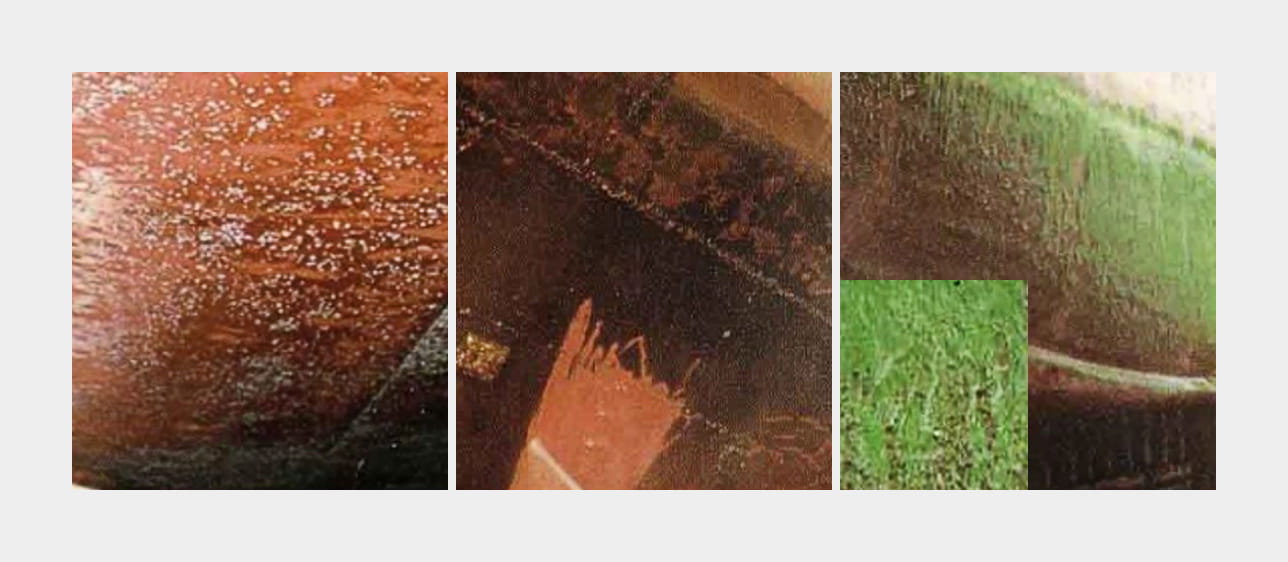
A vessel’s underwater hull is continuously exposed to fouling by a wide range of marine organisms, including barnacles and algae. As fouling accumulates, the hull surface becomes increasingly rough, leading to higher hydrodynamic frictional resistance during navigation. This reduces vessel speed or degrades fuel efficiency. As fouling becomes more severe, additional fuel is required to maintain the same operating performance, resulting in higher transportation costs and increased CO2 emissions.
Fouling removal during maintenance is also labor-intensive and time-consuming. Moreover, hull coatings must withstand significant impact loads, particularly during berthing operations. Enhancing the mechanical strength of the film, together with achieving high antifouling performance, therefore remains a critical requirement in marine coating design.
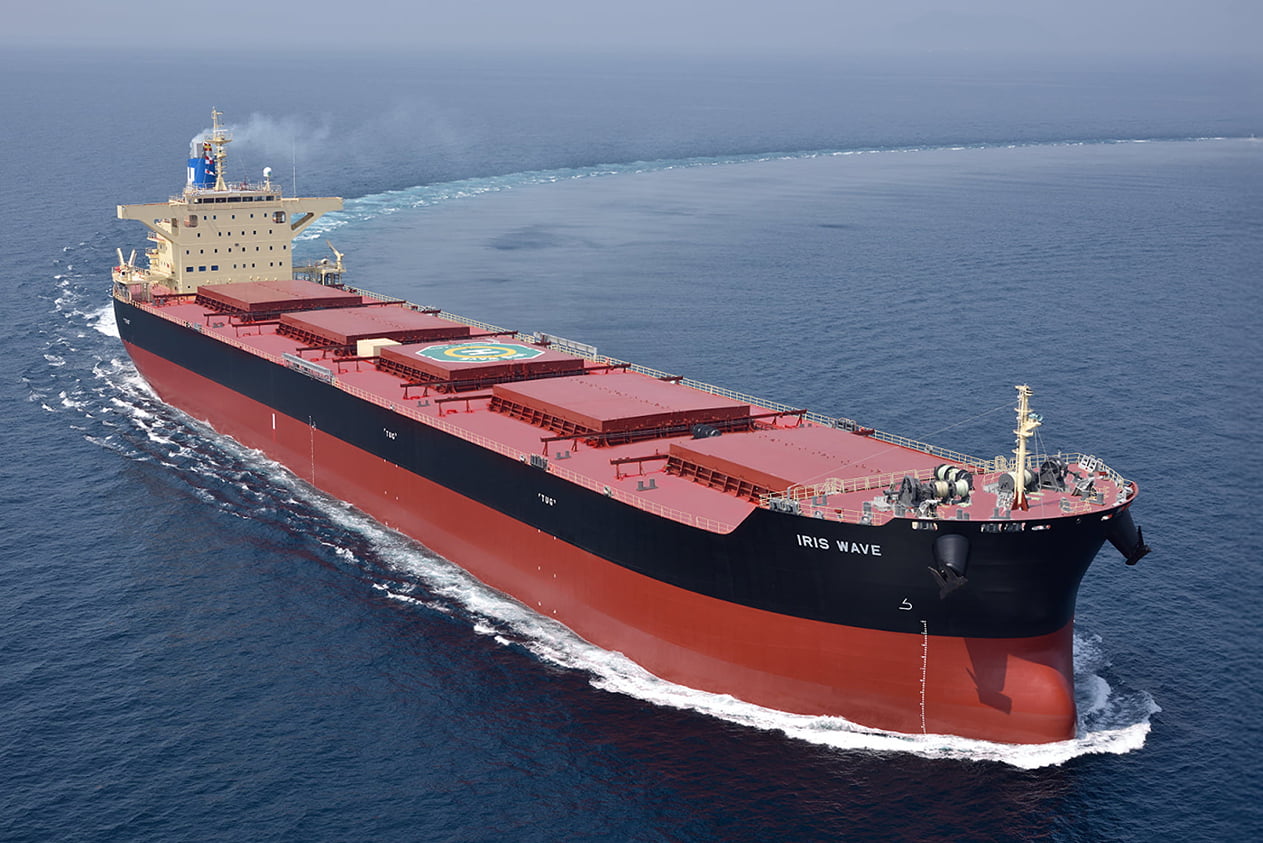
Maritime transport generally produces lower CO2 emissions than transportation by aircraft or automobiles, making it a comparatively environmentally efficient mode of transport. Even so, the maritime industry continues to pursue further improvements in sustainability. In response to these challenges, the Nippon Paint Group has engaged in sustained research and development over many years, with the aim of enhancing both operational efficiency and environmental performance.
Our Concept: Faster and Cleaner
A clearly defined concept was essential to the development of FASTAR. Through close collaboration with our sales organization and on-site technical service teams, the development division consistently received feedback from customers calling for a tougher coating film. Our objective was not merely to meet these expectations, but to surpass them – by further improving the mechanical strength, while pursuing superior antifouling performance, better fuel efficiency and consistent high-speed navigation. To break through the boundaries of conventional technologies and pursue an ideal solution, we established a clear guiding principle: “Faster and Cleaner.” This concept became the starting point of the challenge that ultimately led to the creation of FASTAR.
Early in the project, a design approach aimed at increasing mechanical strength was identified. However, achieving this improvement while simultaneously enhancing antifouling performance proved to be a significant challenge. Until that point, performance gains had largely been pursued by increasing the uniformity within the coating film. It became clear, however, that a truly innovative breakthrough would require breaking away from incremental extensions of existing approaches.
While earlier approaches had drawn inspiration from marine animals, the scope of attention was expanded to explore the skin of living organisms, including humans. Skin combines toughness with flexibility: its outermost layer is continuously renewed, while it provides a barrier against external threats and helps retain moisture in the inner layers. In addition, protective substances are transported to the surface through pathways such as sebaceous and sweat glands. By mimicking this sophisticated biological mechanism in coating-film design, a new breakthrough was achieved.
Establishing a Proprietary Technology That Sets FASTAR Apart, Developed with Operational Challenges in Mind
Developed through repeated testing and refinement, FASTAR’s hydrophilic and hydrophobic nanodomain structure is a proprietary technology that clearly differentiates it from conventional hull coatings.
In antifouling paints that contain biocides, antifouling performance is achieved as active ingredients within the coating film diffuse to the surface. With conventional coatings, however, there are inherent limits to the fineness of this diffusion. FASTAR overcomes this constraint. Its hydrophilic and hydrophobic nanodomain structure enables efficient and uniform diffusion of antifouling ingredients – this structure and mechanism are unique to FASTAR. As a result, FASTAR delivers long-lasting antifouling performance with less elution, and can cut biocide usage by up to 50% compared with conventional products. Furthermore, the technology also makes it possible to apply a thinner coating film, shortening application time and reducing dust and odor during the application process. In addition, the nanodomain structure also contributes to enhanced mechanical strength.
In developing FASTAR, the challenges encountered at application sites – continuously reported on a day-to-day basis by sales teams and on-site technical service teams – were kept firmly in focus, and the product design was fundamentally redesigned from the core – the resin. As a result, this approach proved highly effective, ultimately leading to the completion of FASTAR, a cutting-edge antifouling hull coating.
Coatings
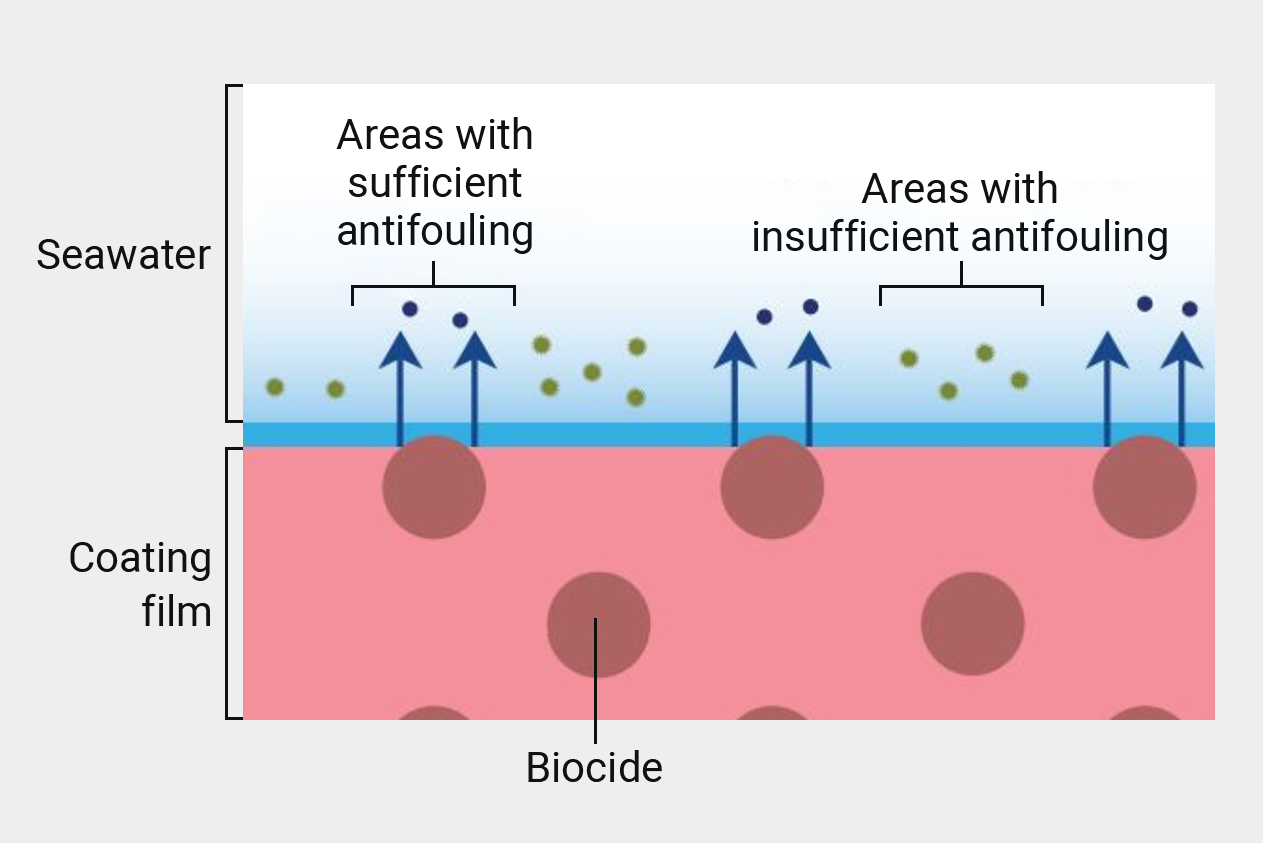
The self-polishing function of the coating film allows the biocide to come into contact with seawater, gradually diffusing active components and providing effective antifouling performance. This polishing action helps to maintain stable antifouling performance over time. Coating film thickness needs to be properly adjusted to suit the vessel’s operating conditions.
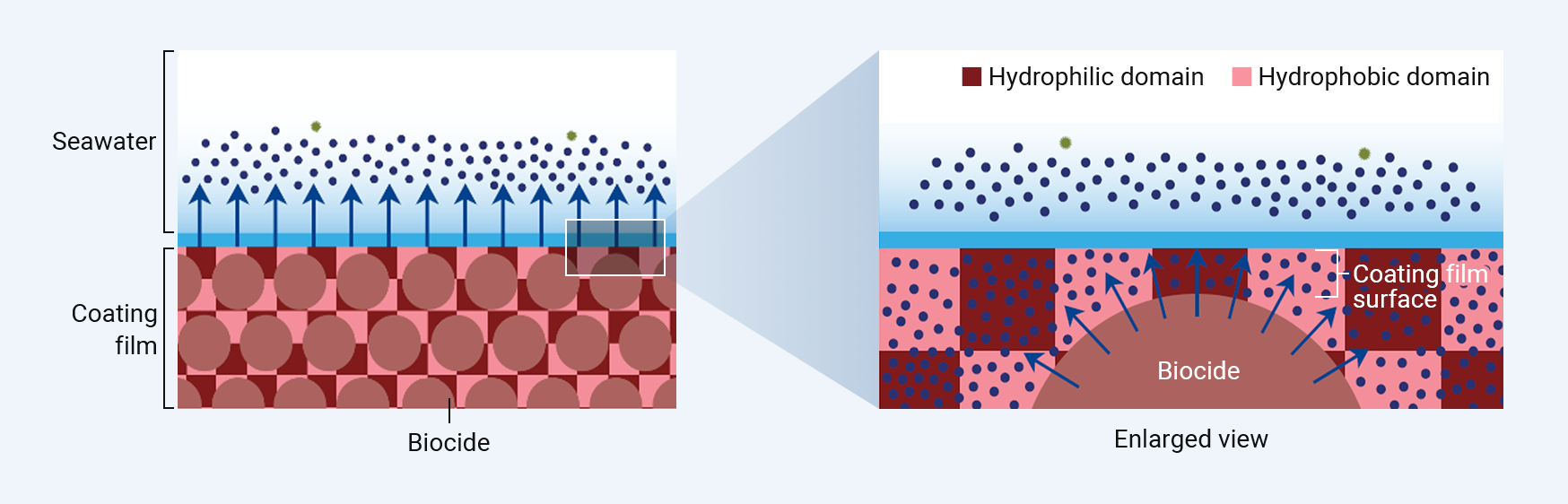
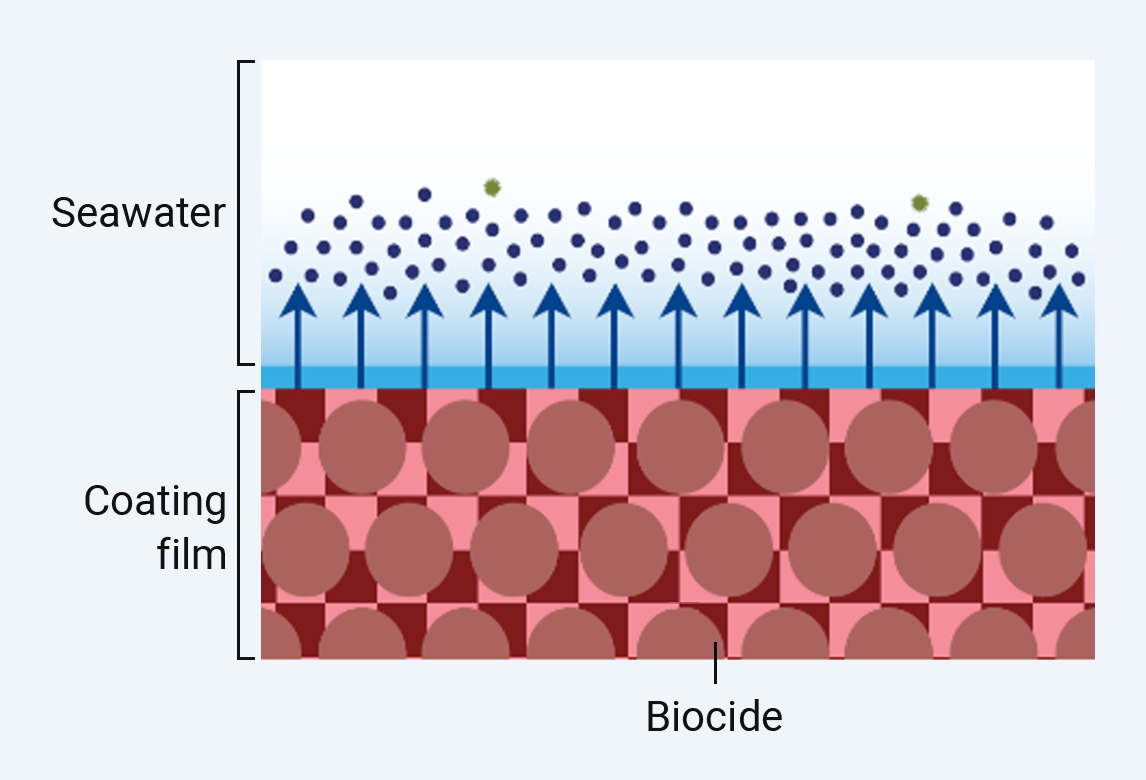
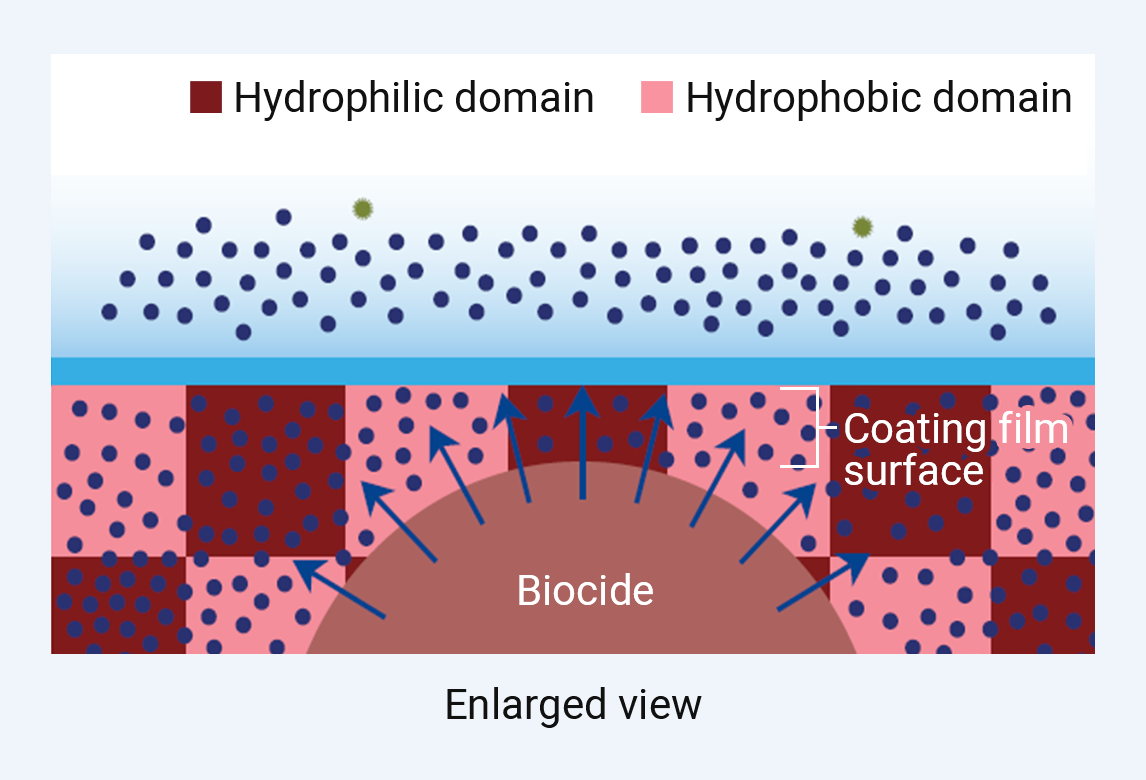
The proprietary hydrophilic and hydrophobic nanodomain structure allows active components to be diffused efficiently and uniformly, providing effective antifouling protection over the entire coating film. Compared with conventional coatings, this enables antifouling performance to be maintained with a thinner film thickness.
As active components near the surface are reduced, the hydrophilic domain facilitates the diffusion of the components toward the coating surface, while the hydrophobic domain retains the ingredients over the long term. This complementary mechanism enables more stable and sustained antifouling performance.
Engineering Antifouling Performance for Real-World Marine Environments Worldwide
As ocean temperatures continue to rise due to global warming, marine organisms are expected to become increasingly active in the years ahead. It is also possible that new types of hull fouling may emerge that cannot be fully addressed by existing technologies, underscoring the need for continued innovation in antifouling coatings. In this context, coating designs based on hydrophilic and hydrophobic nanodomain structure offer broad applicability across diverse climate-change scenarios and represent a foundational technology for future advances in antifouling performance.
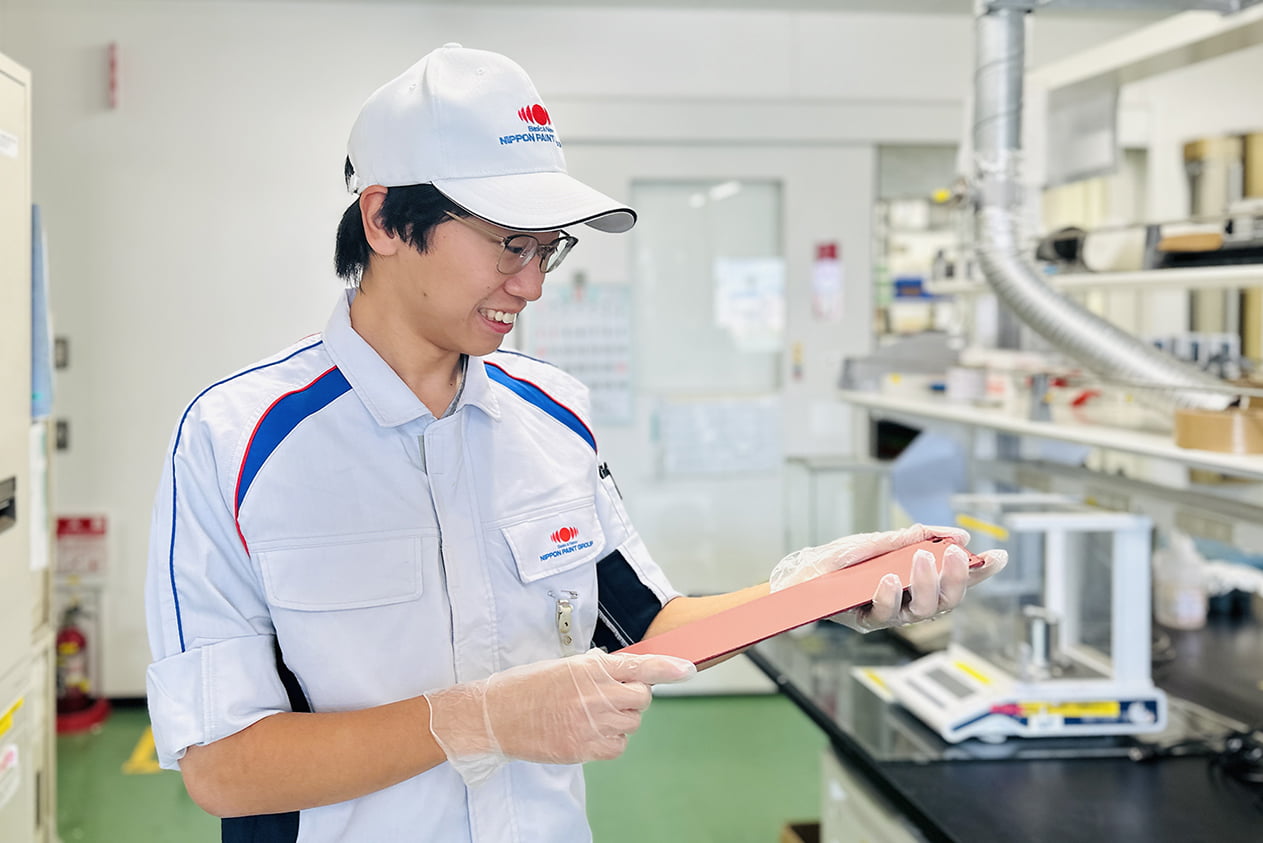
Efforts continue to ensure that customer feedback is effectively communicated from sales teams and on-site technical service teams to the development division. New product development is being advanced based on detailed analyses of operational performance data from vessels that have adopted the coating. At the same time, even younger engineers, who are receiving technology transfer, are actively contributing fresh ideas – such as methods to achieve even thinner coating films and opportunities to further enhance mechanical strength. With a firmly global market in view, this ongoing challenge – focused on vessels, their operations and voyages, and marine environments around the world – will continue to evolve.