- Global
- 2026.06.10
Development Story: How a Fresh Perspective Led to a Breakthrough–Behind the Development of “Mizeron,” the Insulating Coating Safeguarding Power Infrastructure from Bird Damage
SHARE


We often take essential infrastructure—such as electricity and transportation—for granted, seldom stopping to reflect on how indispensable it is to our daily lives. Yet when disruption occurs, the consequences can be far-reaching. One surprisingly common cause of power outages is bird-related incidents. Birds sometimes build nests on transmission towers, using branches and even metal hangers, which can create dangerous short circuits and interrupt power supply. In this article, we take a behind-the-scenes look at how fresh thinking and an unconventional approach led to the development of an innovative solution that addresses this challenge in a way traditional methods could not.
A Shift from Exclusion to Coexistence: Developing an Innovative Insulating Coating to Minimize Power Outage Risks
The development of “Mizeron,” an insulating coating designed to prevent bird-related damage, began with a casual conversation between a sales representative and a customer. Mizeron, produced by AS Paint Co., Ltd.—a member of the Nippon Paint Group engaged in the manufacturer and sales of industrial coatings and decorative paints—was originally used to protect bridges and industrial plants from corrosion. Although Mizeron had been on the market for nearly 40 years, one sales representative was exploring new ways to apply its benefits for broader societal value. During a discussion with a power company, the sales representative learned about a longstanding issue: birds nesting on transmission towers. When birds use materials such as metal hangers to build their nests, or come into contact with transmission equipment, short circuits can occur, leading to large-scale blackouts. Bird-related damage has long been a challenge for the power infrastructure industry, highlighting the need for innovative solutions.
For many years, conventional measures to prevent birds from nesting on transmission towers—such as installing spike barriers and conducting regular inspections—had been implemented. However, these approaches had not produced satisfactory results. In addition, bird-control measures required significant investment, costing hundreds of millions of yen annually. This prompted us to rethink our approach. Instead of trying to prevent birds from building nests, we asked ourselves: “What if we simply insulated the equipment so that, even if nests were built, accidents would not occur?” By shifting our focus from exclusion to coexistence, we sought to create an environment in which bird activity would not lead to electrical failures. This change in perspective ultimately led to the development of a coating capable of withstanding voltages of tens of thousands of volts.
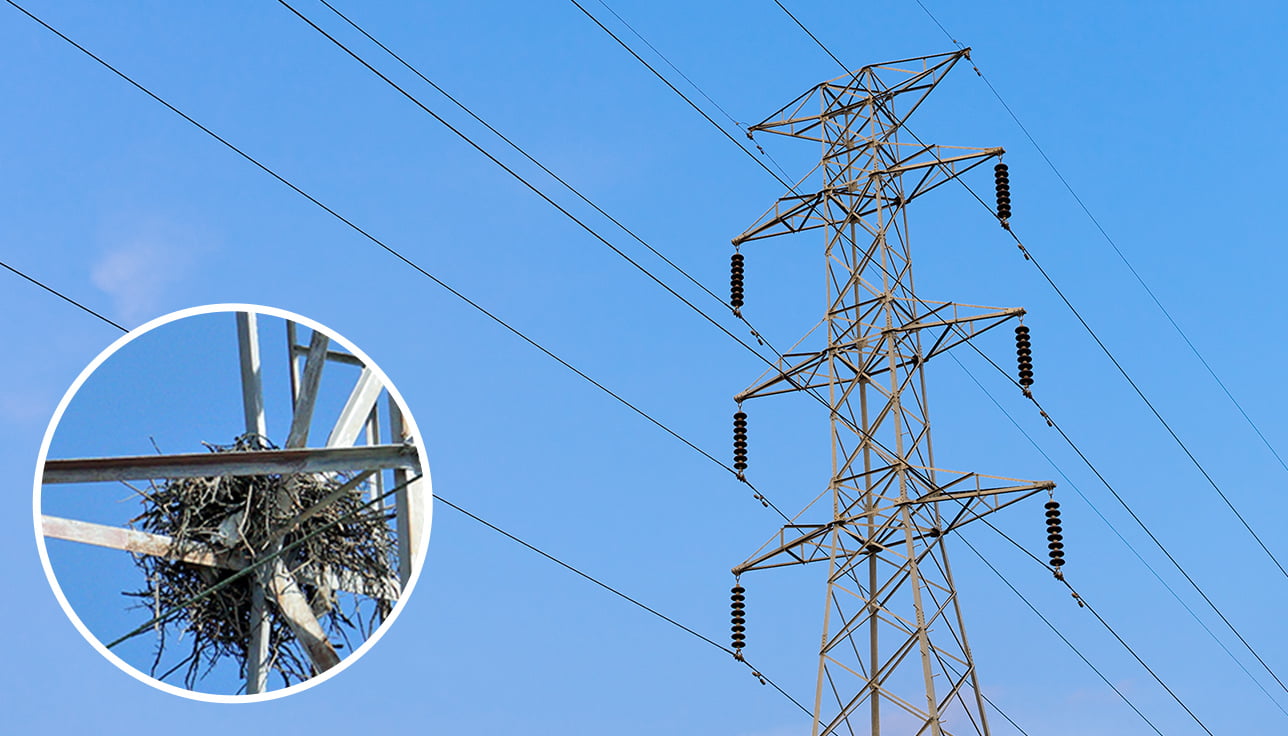
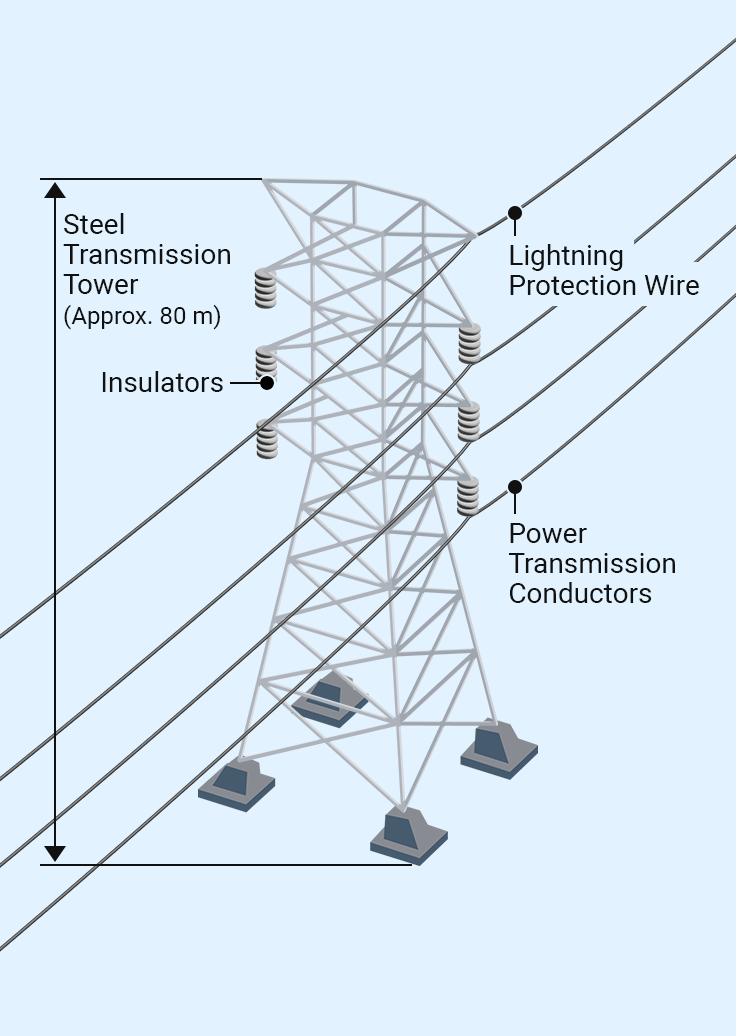
- What is a transmission tower?
- A transmission tower is a structure that supports overhead high-voltage power lines used for the transmission of electricity. It serves as a key component of the power grid, carrying electricity from power plants to substations and between substations. Transmission towers ensure the safe and reliable transport of electrical energy over long distances, helping to maintain a stable power supply to homes, businesses, and industries.
The Uncharted Challenge of Tens of Thousands of Volts—A Breakthrough Through Simplification
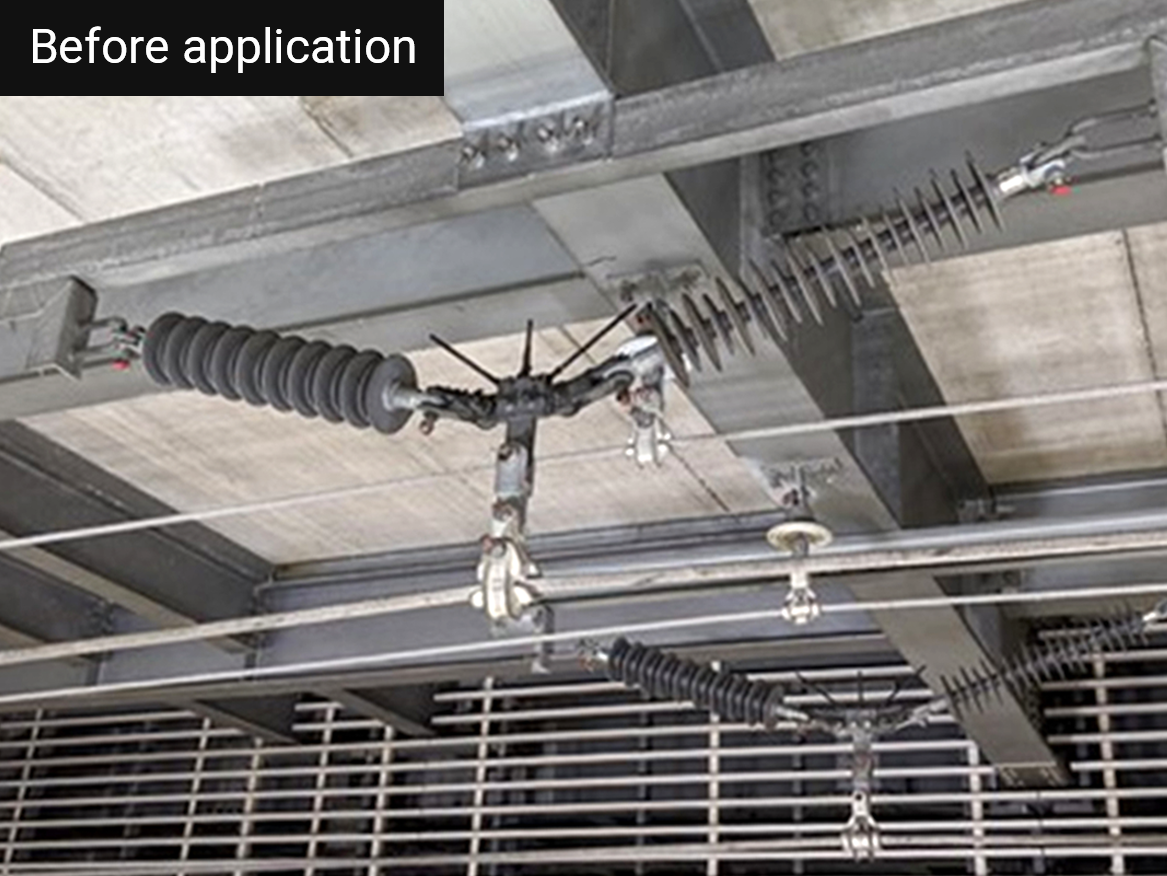
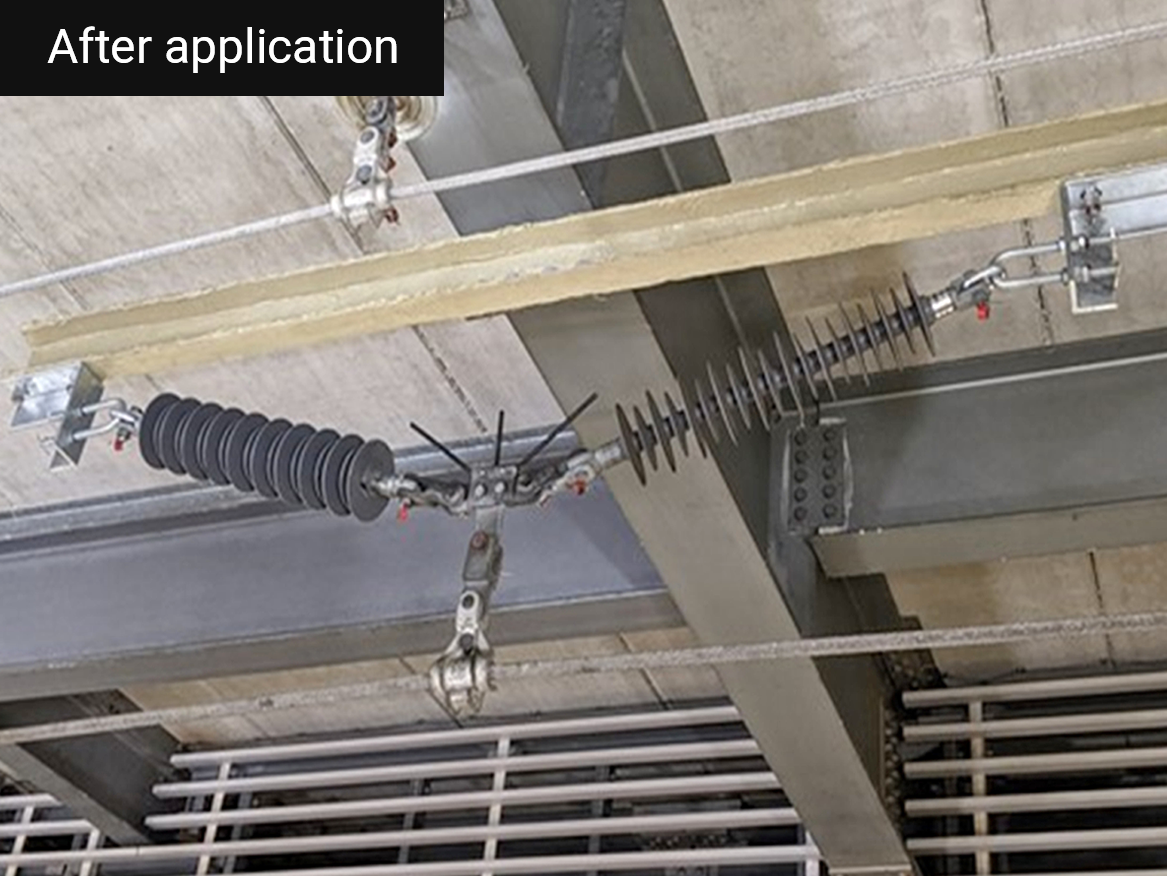
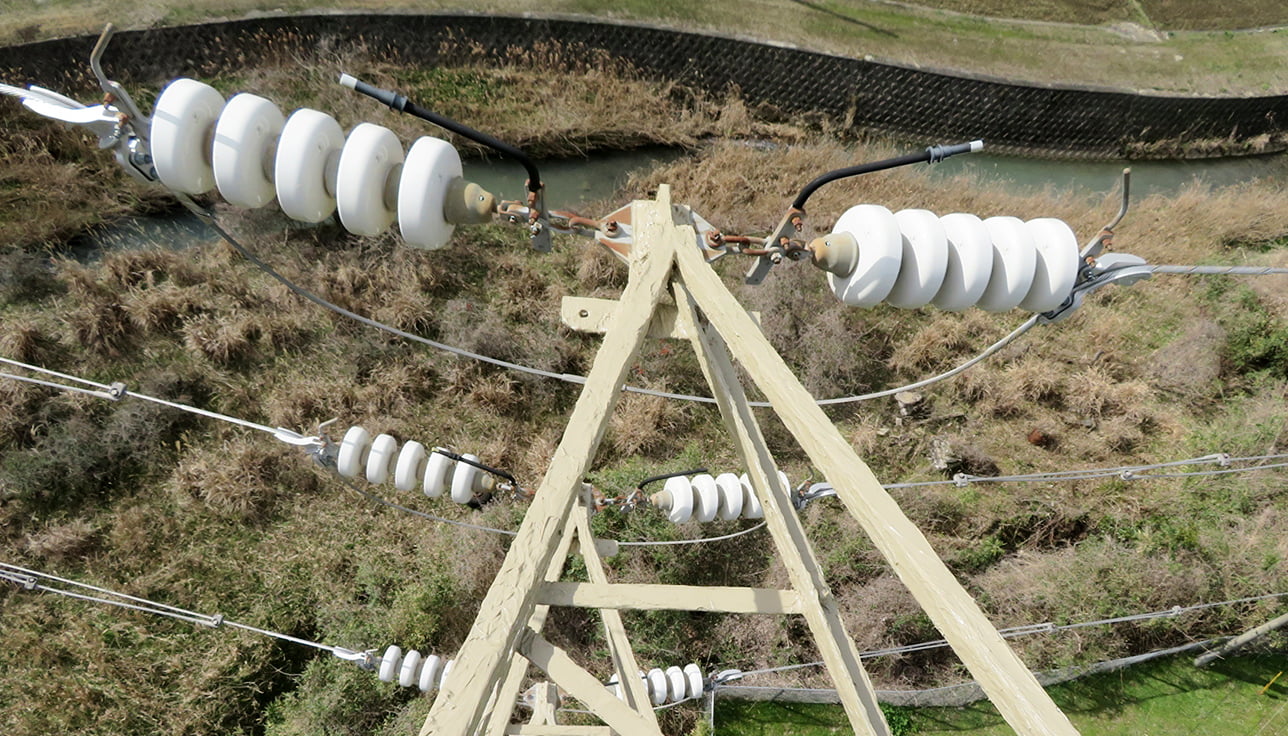
The electricity carried by transmission towers operates at extremely high voltages—far beyond the insulating capabilities of the original Mizeron coating. To address this challenge, a development project was launched in 2013 to significantly enhance Mizeron’s insulating performance. From the outset, the team faced a number of hurdles. The most significant was the requirement to withstand voltages in the tens of thousands of volts, a level far beyond anything the company had previously worked with. At the time, the company lacked both the specialized expertise and the testing equipment required to evaluate performance under such high-voltage conditions. We therefore started by re-examining Mizeron’s existing formulation. In the process, we found an important clue to improving its insulating properties: the inorganic pigments conventionally used to color the coating were metal-based, making them electrically conductive and significantly impairing the coating's insulating properties. To overcome this issue, the team selected alternative pigments and carefully optimized their quantity, concentration, and balance with the resin components. By eliminating all metal-derived ingredients from the formulation, the insulating properties of the coating were significantly improved. Throughout the development process, the team made full use of the equipment available within the company, repeatedly conducting tests and collecting data to estimate performance under high-voltage conditions. One member of the development team recalls, “When we changed the pigments and tested the revised formulation, the improvement was dramatic. It was an exciting moment for everyone involved.” As a result of prioritizing insulation performance as the coating’s most important function, the enhanced Mizeron changed from its original black color to a cream-colored finish. Reflecting on the project, the sales representative commented, “It took time to identify the factors limiting the coating’s insulating performance, but thanks to the cooperation of everyone involved, we were able to achieve this milestone.”
Tough Yet Flexible: Protecting Power Infrastructure with a 1.5 mm Coating
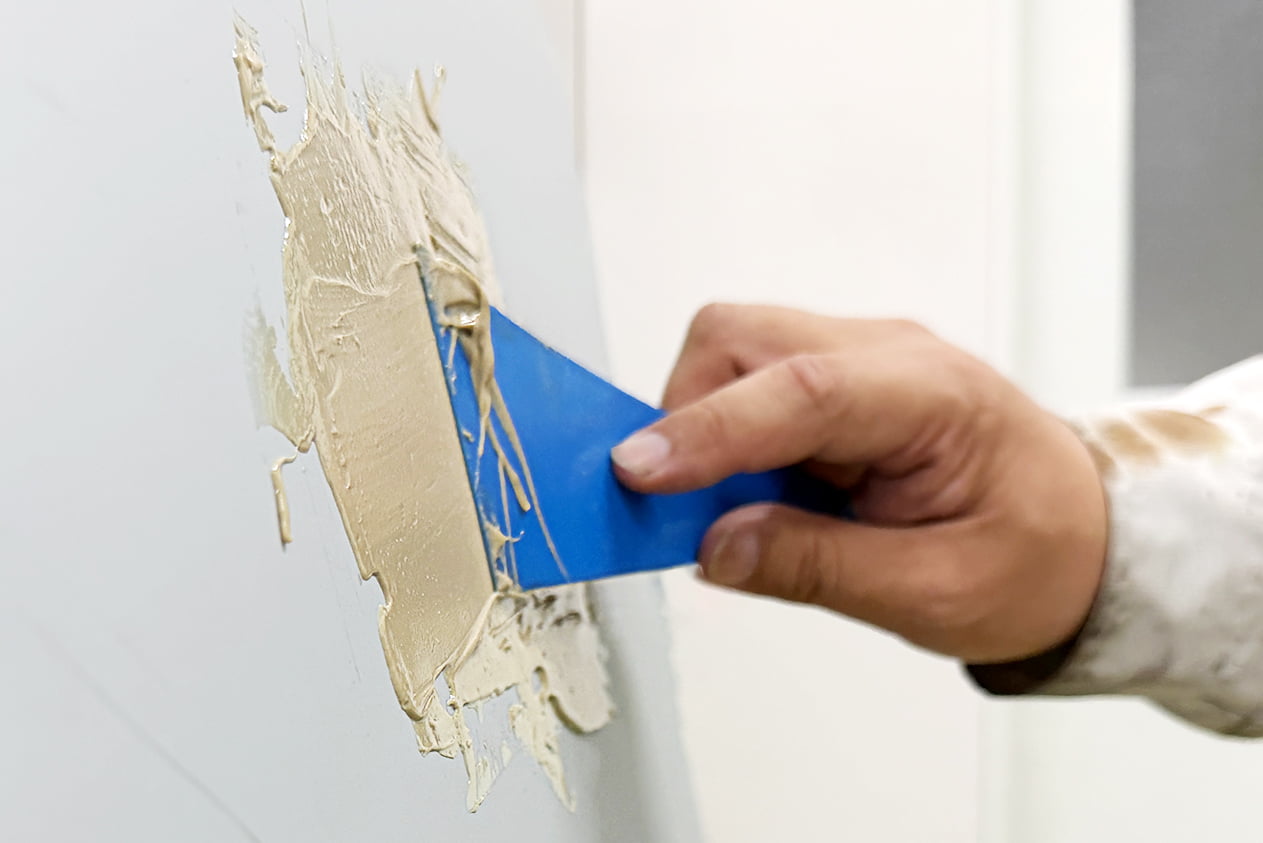
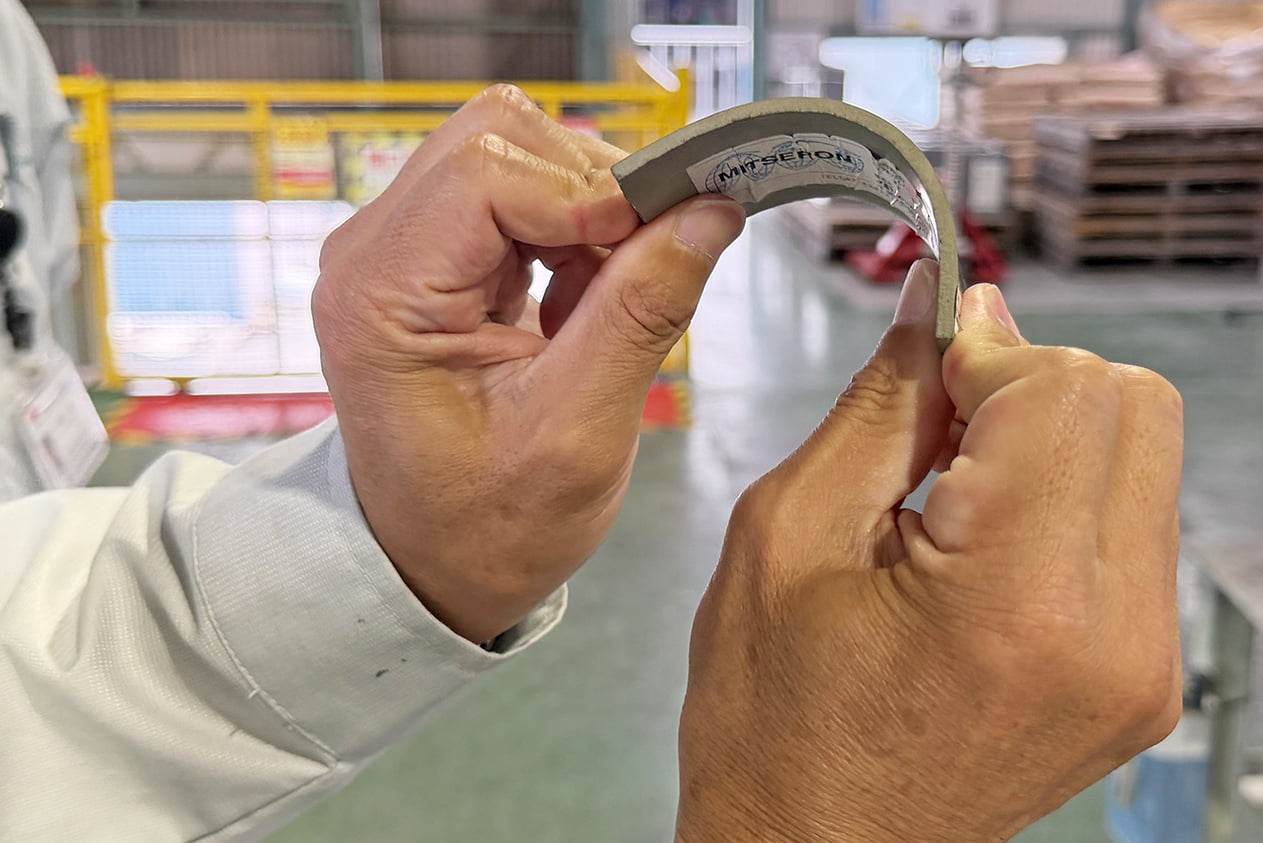
Another defining feature of Mizeron is its 1.5 mm film thickness. By comparison, conventional coatings are typically only 30–40 μm thick (0.03–0.04 mm). Even after three coats, the total thickness is only about 100 μm (0.1 mm)—roughly the thickness of a banknote or a single strand of hair. Mizeron is a specialized coating that forms a film approximately 15 times thicker than that of conventional paints. However, increasing film thickness generally introduces a new challenge: the thicker the coating, the more susceptible it becomes to cracking. To address this issue, Mizeron utilizes the properties of polyurethane elastomer, a material that combines the elasticity of rubber with the strength of rigid plastic. This enables the coating to achieve both a thick protective film and the flexibility required to resist cracking. At the same time, these characteristics make the coating highly viscous and more difficult to apply, requiring a different application method from ordinary paints. Rather than being sprayed or brushed on, Mizeron is applied with a trowel, much like plastering.
Its high viscosity also offers an additional benefit. When applied to steel transmission towers at elevated locations, the coating is less likely to splatter or scatter, helping to improve safety during application work.

Supporting Safer, More Resilient Infrastructure Across Japan
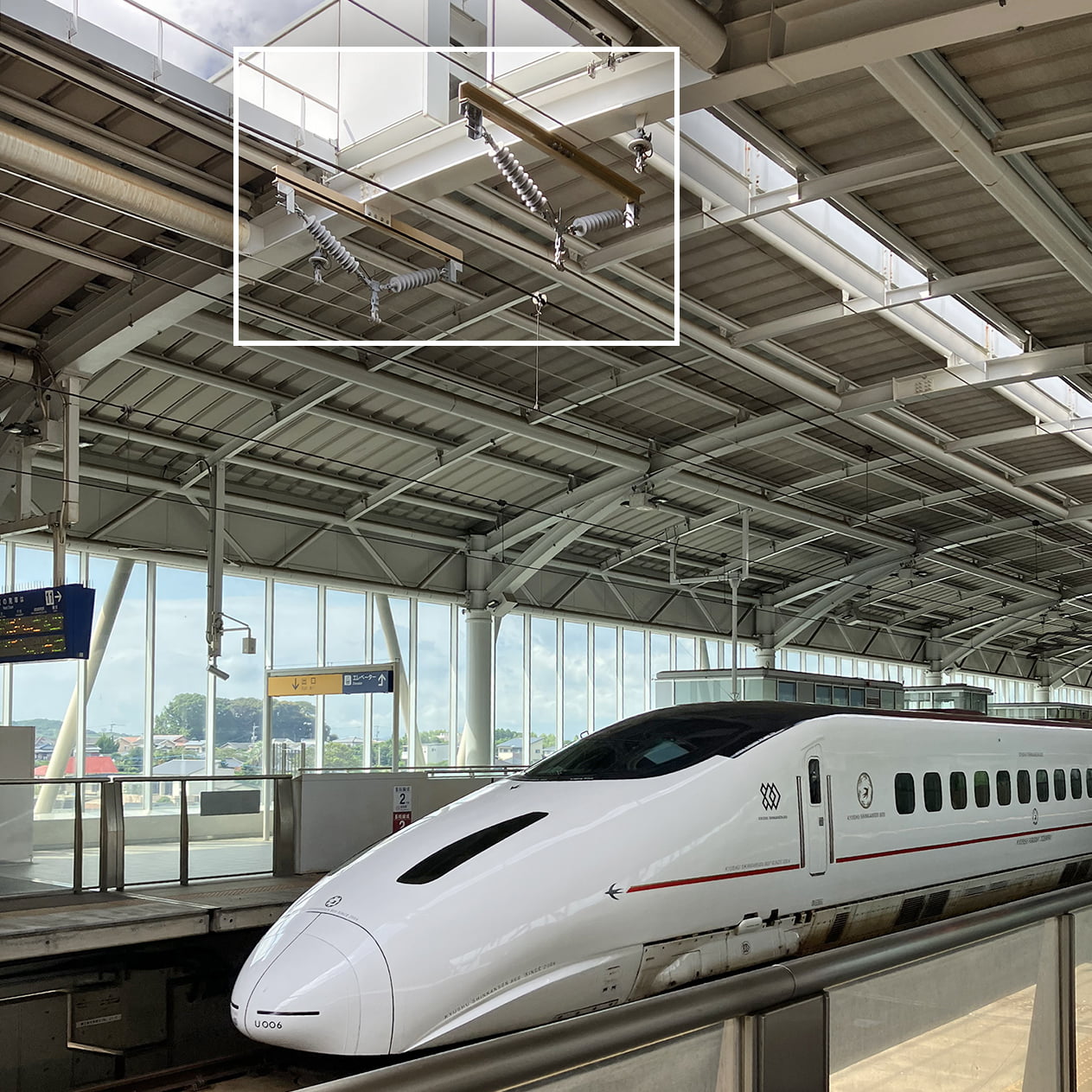
Following successful field trials, Mizeron entered practical use in 2018. Today, its application extends beyond transmission towers to include facilities at selected stations on the Kyushu Shinkansen operated by JR Kyushu. One challenge faced by railway operators is bird nesting around overhead power lines. Because these lines carry the high-voltage electricity required to operate trains, nests can cause short circuits, resulting in power outages and service disruptions. Since the introduction of Mizeron, operators have reported a significant reduction in such incidents, demonstrating the coating’s effectiveness under real-world operating conditions.
Reflecting on the development process, one member of the project team commented: “Throughout our work, we have always valued the accumulation of fundamental research and the importance of examining problems from every possible angle. Even when challenges arise, the knowledge and data we have built up allow us to identify the root cause and find solutions more quickly. Mizeron is a perfect example of that approach.” A member of the sales team added: “What motivates us most is seeing something we helped create make a visible and meaningful contribution to society.” AS Paint Co., Ltd. continues to promote the wider adoption of this technology across Japan’s power and railway infrastructure. A future in which Mizeron, developed in Kyushu, helps strengthen the safety and resilience of critical infrastructure nationwide is steadily becoming a reality.