
- Sustainability
- 2026.11.19
BASF x Cromology: Turning End-of-Life Tires into Resources for Paint
SHARE


Overview
Turning end-of-life tires into new resources for wall paint: BASF and Cromology advance the circular economy in coatings
- A circular styrene-acrylate binder forms the basis of interior wall paint from Tollens, a heritage brand.
- Using raw materials derived from the chemical recycling of end-of-life tires reduces the use of fossil resources and lowers the product’s carbon footprint.
- Available in stores as Maxiline+ from March 2026.
Turning End-of-Life Tires into New Resources for Wall Paint
Ludwigshafen, Germany, and La Défense Cedex, France – March 24, 2026 – BASF and Cromology today announced a new step forward for the circular economy in the paints and coatings industry. Cromology will now incorporate sustainable raw materials into its Tollens interior wall paints by sourcing Acronal® Ccycled®, a chemically recycled acrylic binder developed by BASF.
This innovation turns end-of-life tires into decorative paint through the mass balance approach, combining circular resource use with high quality standards.
Made from recycled raw materials sourced from used tires, the binder will be used in Tollens’ new Maxiline+ interior wall paint, available in France from March 2026. A trusted name in colour expertise and durability since 1748, Tollens continues to evolve by adding more sustainable solutions to its portfolio.
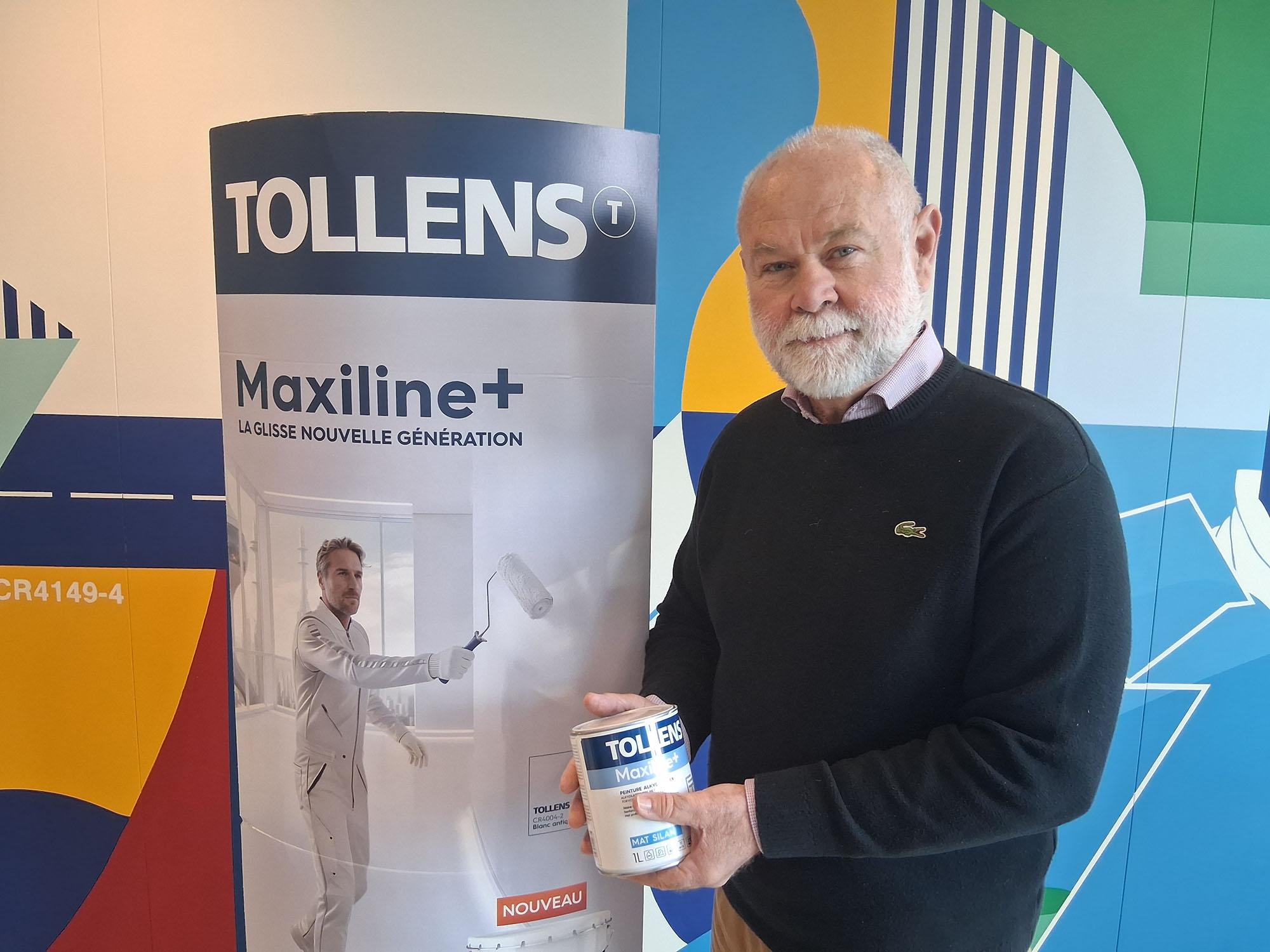
“This innovation enables us to combine high-performance decorative paints with a tangible reduction in environmental impact—without compromising on quality or ease of application,” says Philippe Hosotte, Director of Innovation & Product Development at Cromology. “It fully supports our ambition to accelerate the use of circular raw materials in our products and contribute to a more sustainable construction ecosystem.”
Through this collaboration, BASF and Cromology are helping to reduce waste and limit reliance on fossil resources, supporting the transition to a more circular value chain in the paints industry.
“Our Acronal® Ccycled® binders are ideally suited to high-quality interior wall paints. By using raw materials derived from chemical recycling, we help our customers significantly reduce their carbon footprint while maintaining the same product quality,” explains Robert Heger, Vice President, Business Management Polymer Dispersions for Architectural Coatings & Construction EMEA at BASF.
ChemCycling®: Replacing Fossil Resources with Recycled Raw Materials
As part of BASF’s ChemCycling® approach, technology partners convert end-of-life tires into a secondary raw material—pyrolysis oil—using an advanced recycling process. The oil is then fed into the BASF production chain upstream, replacing fossil resources.
Using a mass balance method audited by an independent third party, the recycled content is allocated to selected products across the production platform. The resulting Ccycled® binders are independently certified under the REDcert² standard and have the same properties as conventionally manufactured products. They deliver equivalent performance and quality, allowing them to be seamlessly incorporated into demanding paint formulations.
To ensure full traceability of sustainable recycled material flows throughout the value chain, Tollens Maxiline+ paint has also been certified under REDcert².
For a 10-litre can of the new Tollens paint, the amount of pyrolysis oil used corresponds to approximately two end-of-life tires—an example of the circular economy in action.
This partnership marks an important step towards scaling up circular solutions in decorative paints and reflects both companies’ commitment to reducing their environmental impact across the value chain.