- Global
- 2026.09.09
Development Story: Behind “Coatings Tailored to Local Conditions” That Help Address Regional Challenges―South Kyushu Edition Protecting roofs from typhoons, intense UV exposure, and Sakurajima’s volcanic ash
SHARE


South Kyushu presents an exceptionally harsh outdoor environment, characterized by intense summer heat and UV exposure, volcanic ash from Sakurajima, and the strong winds and heavy rain brought by typhoons. Roofs are particularly vulnerable because they are continuously exposed to these severe conditions. Roof coatings must therefore incorporate a range of advanced technologies to provide long-lasting protection while preserving the appearance of buildings.
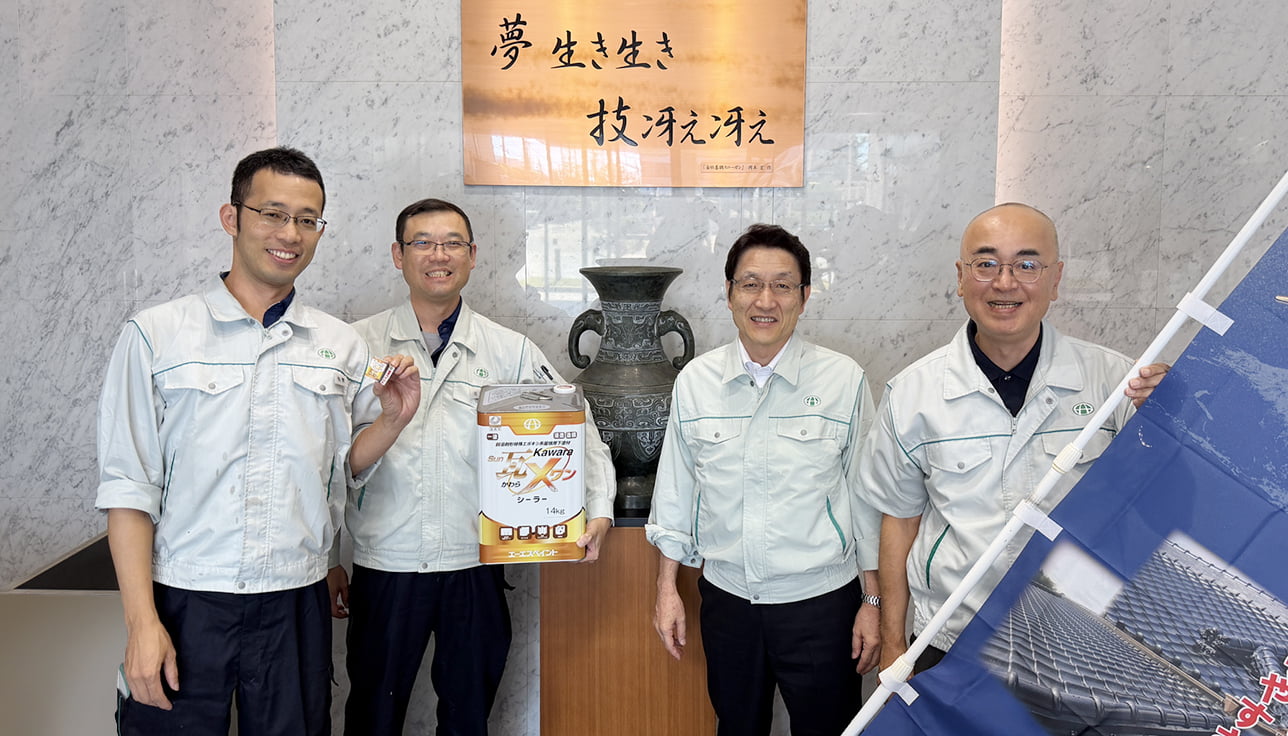
This article tells the story of how a new coating was developed to address the distinctive challenges of South Kyushu—particularly Kagoshima—drawing on insights gained directly from local communities and conditions on the ground.
Roof Coatings Developed to Withstand Typhoons
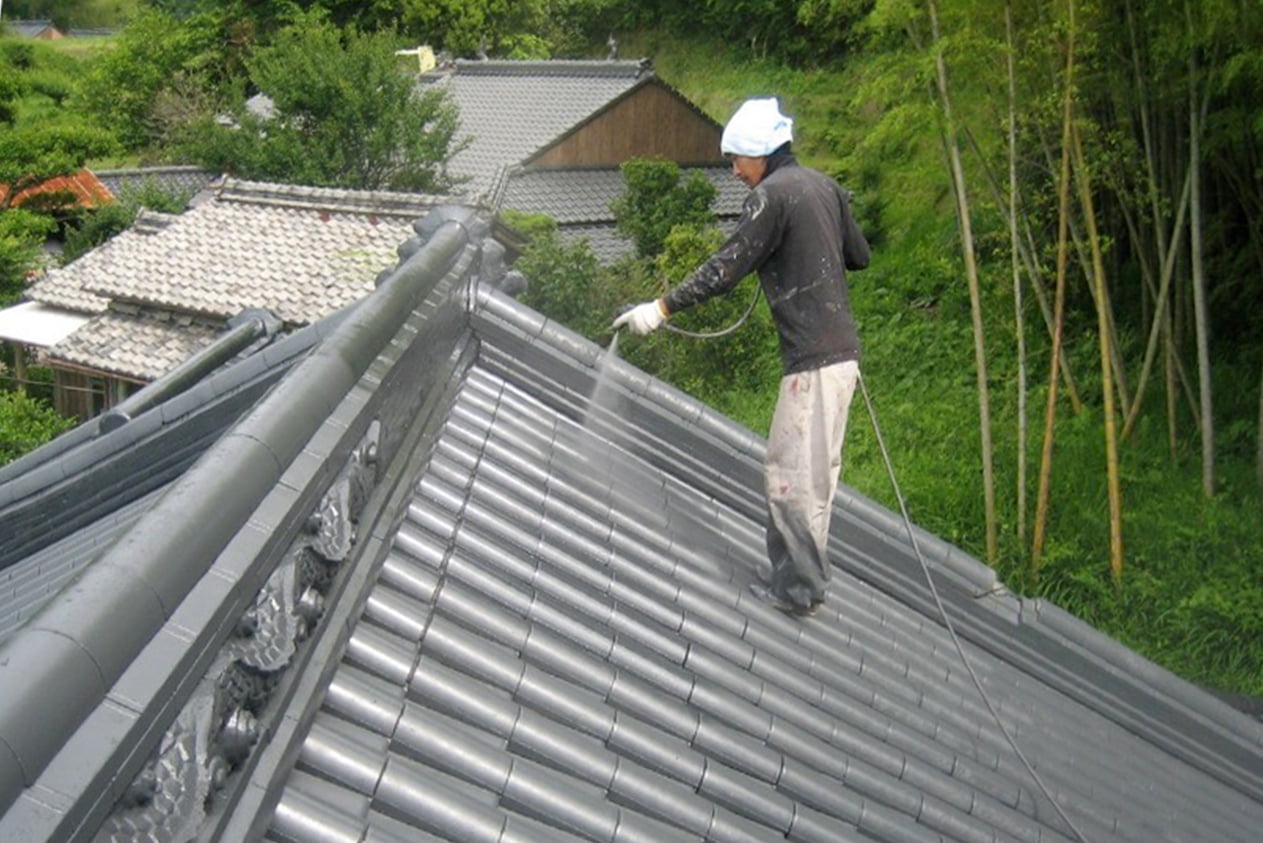
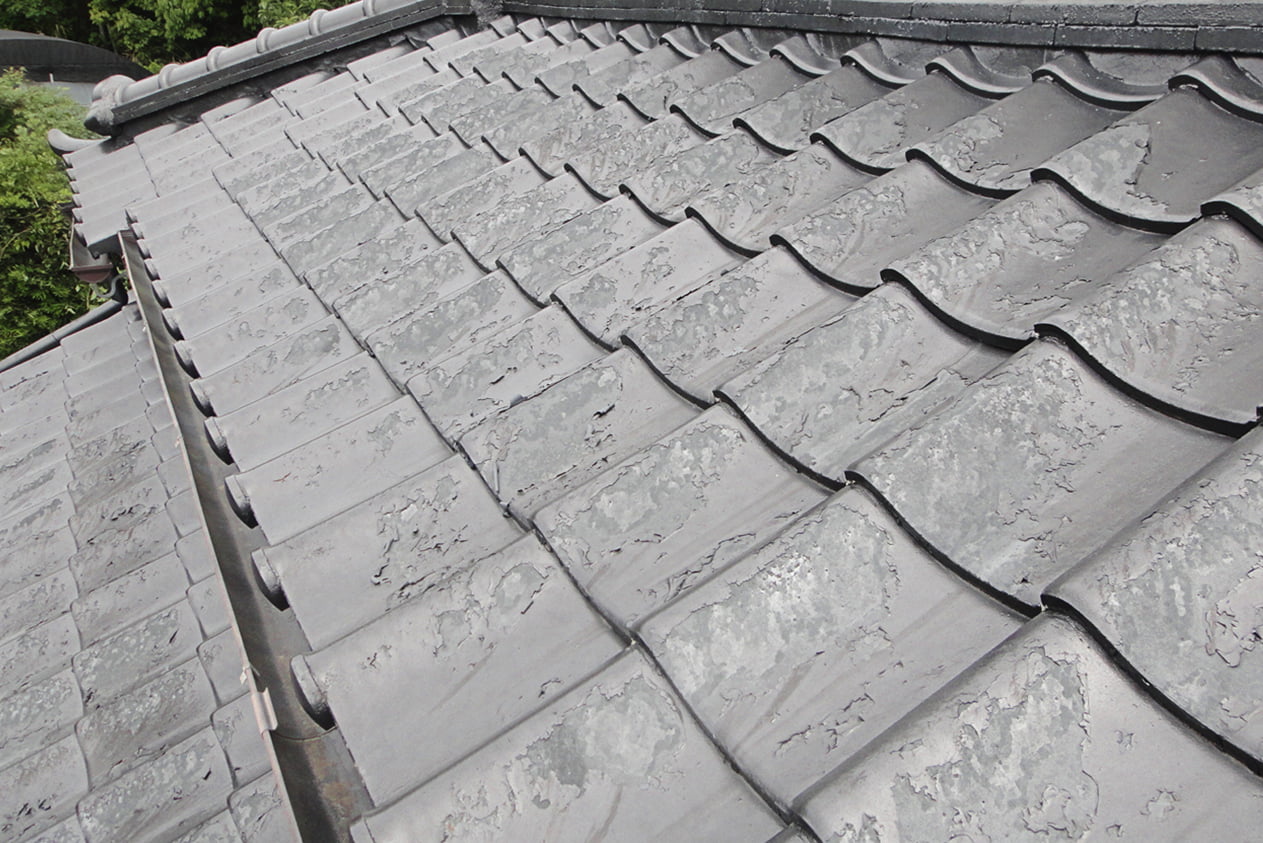
In South Kyushu, which is frequently struck by typhoons, cement roof tiles were widely used in the mid-1990s because their weight made them less likely to be dislodged by strong winds. These tiles were typically coated using an airless spray method, in which paint is applied under high pressure without compressed air. Although highly efficient for covering large areas, this method tends to create a relatively thick coating film. At the time, aged roofs were generally repainted using strong-solvent topcoats. These coatings dried more quickly than water-based or mild-solvent alternatives. However, during summer, roof surface temperatures could exceed 60°C. Under such extreme conditions, the surface of the thick coating film would dry first, trapping solvents and thinners underneath. These trapped materials could then soften the deteriorated existing coating, causing blistering and peeling—persistent problems for both contractors and distributors. In response, Nippon Paint’s South Kyushu Sales Office began receiving requests for a roof coating that professionals could use with confidence. These calls from the market became the catalyst for the development of Sun Kawara, a coating specifically designed to protect cement tile roofs. Development began in 1996.
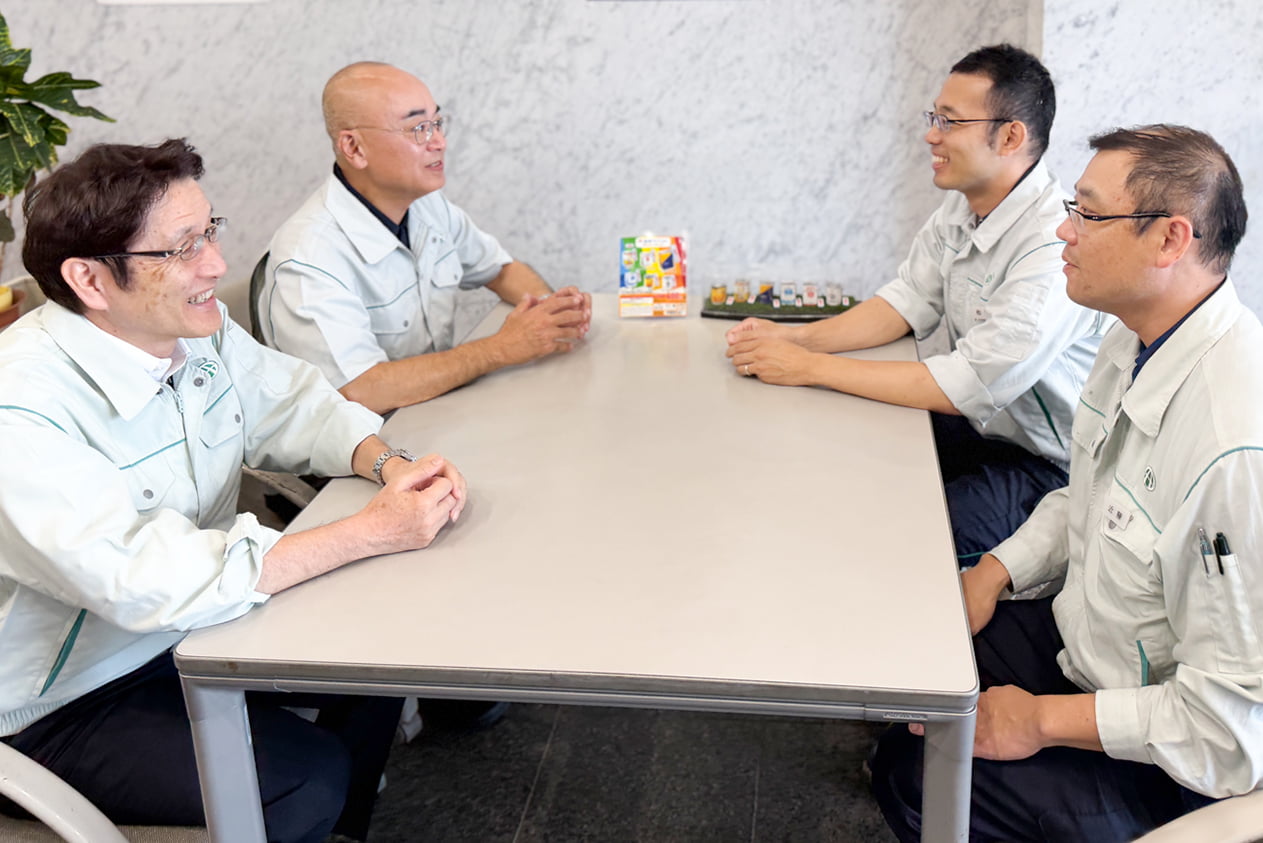
Delivering Both Performance and Aesthetics by Responding to Customer and On-Site Needs
Throughout the development process, one of our highest priorities was listening closely to customers and painting professionals. We repeatedly reviewed and refined the coating’s formulation to reflect actual on-site conditions, including the painting process followed by contractors in southern Kyushu and the timing of each successive coat. The primer was a key area of technical development. It needed to create a strong barrier that would prevent solvents in the repainting topcoat from penetrating the underlying layers. To achieve this, we carefully adjusted properties such as solvent resistance and adhesion, making four rounds of improvements over approximately 18 months. The result was a primer with an optimal film structure that effectively prevented topcoat solvents from reaching and damaging the existing coating underneath.
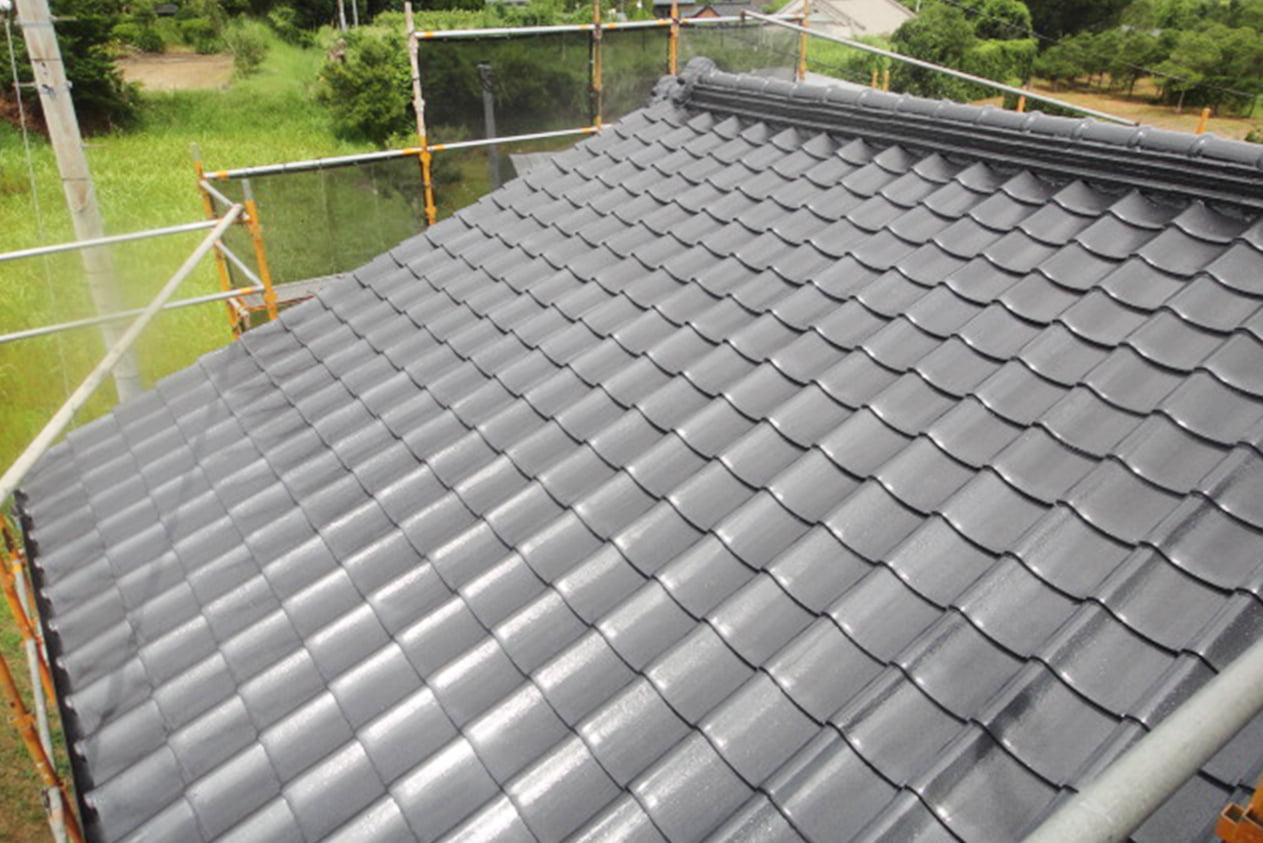
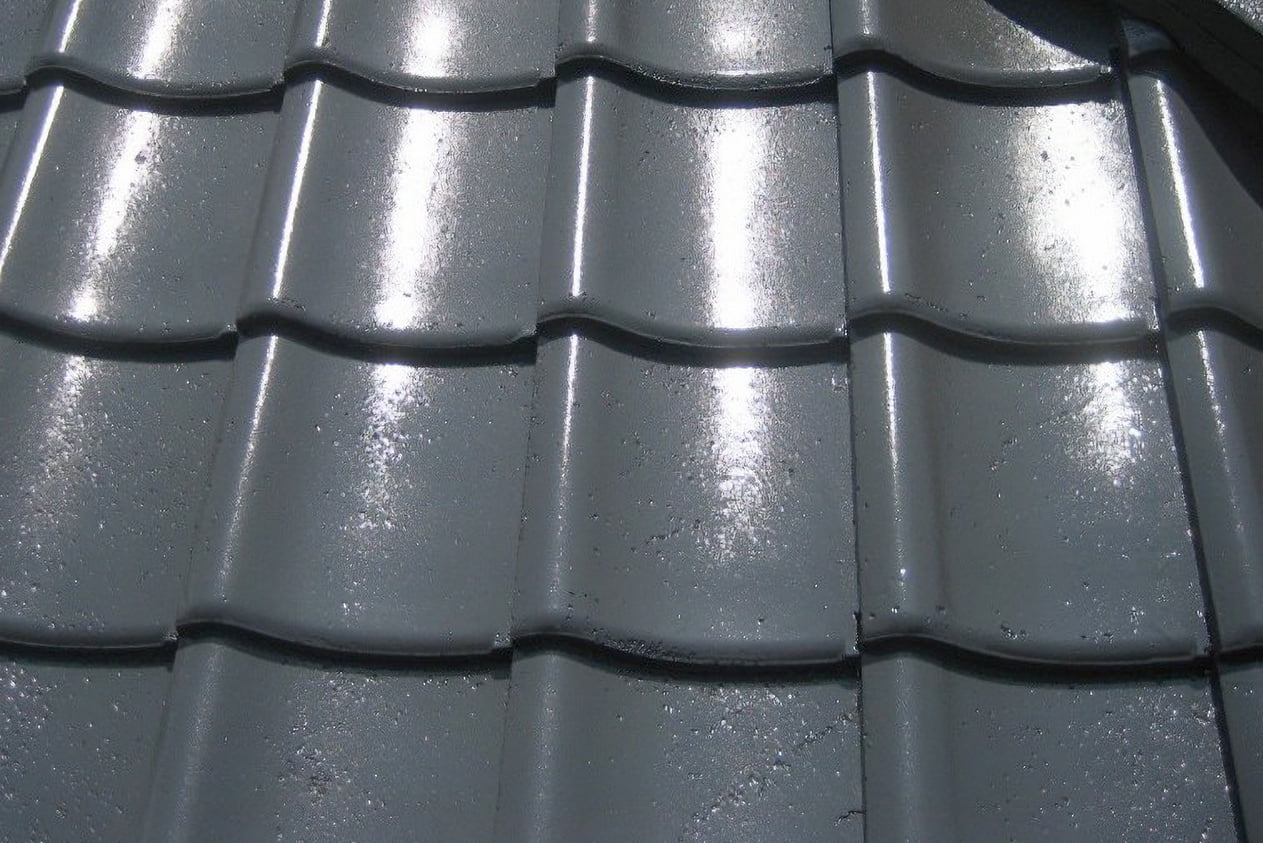
At the same time, we sought to meet the aesthetic expectations of customers in Kagoshima, where a newly painted roof was expected to have a rich, glossy appearance. When developing the topcoat, we looked beyond numerical gloss measurements and focused on creating a smooth, full-bodied finish with a deep and lustrous appearance. By improving the coating’s flow characteristics and carefully controlling its viscosity, we achieved a thicker film and a more refined visual texture. Through close collaboration with distributors and painting contractors—and a continued commitment to creating a better product—we addressed each challenge and expectation individually, from preventing blistering and peeling to achieving the appearance and finish desired by local customers.
Developing a Topcoat for Communities Living with Volcanic Ash
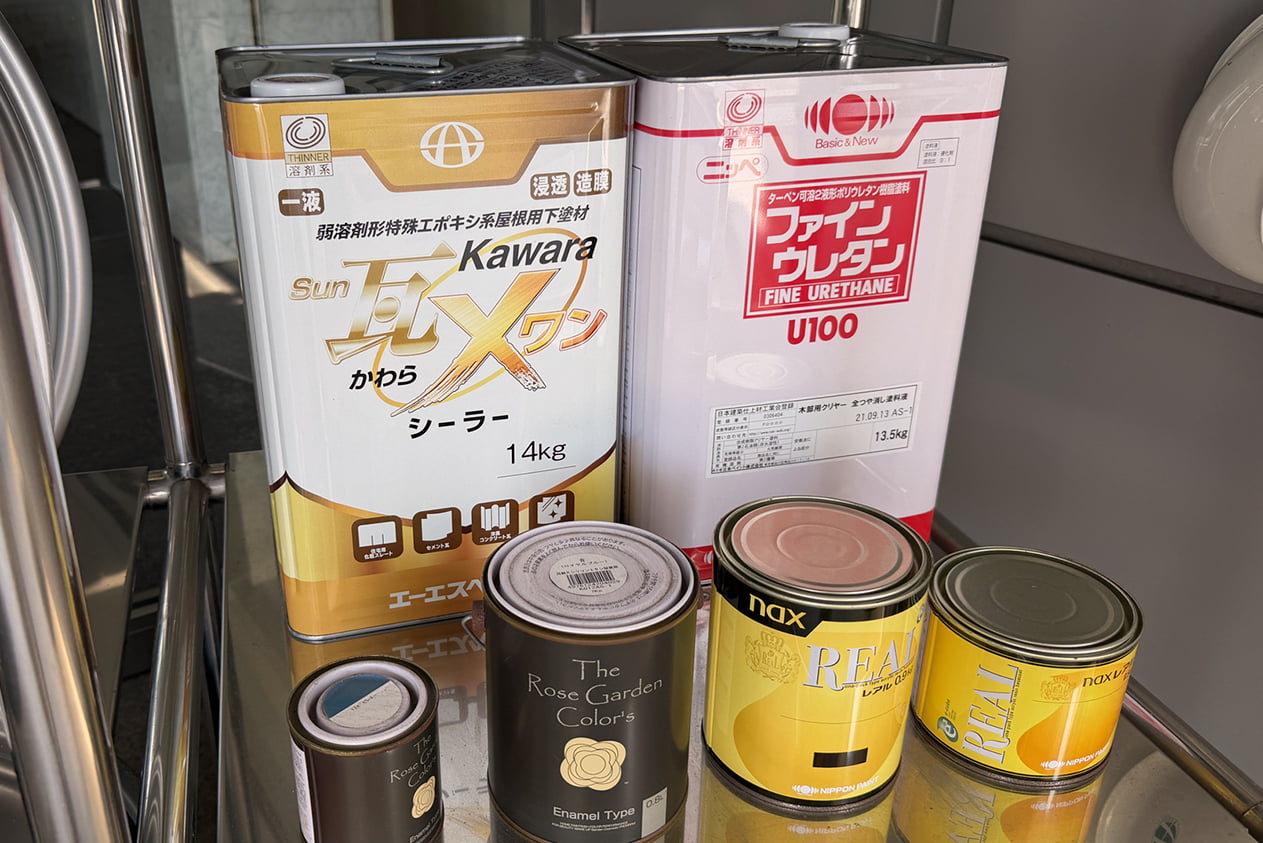
Another important product that has become firmly established in the region is Fine Perfect Best, a topcoat suitable for a wide range of roofing materials commonly used on homes today, including decorative slate, clay and concrete roof tiles, cement tiles, and metal roofs.
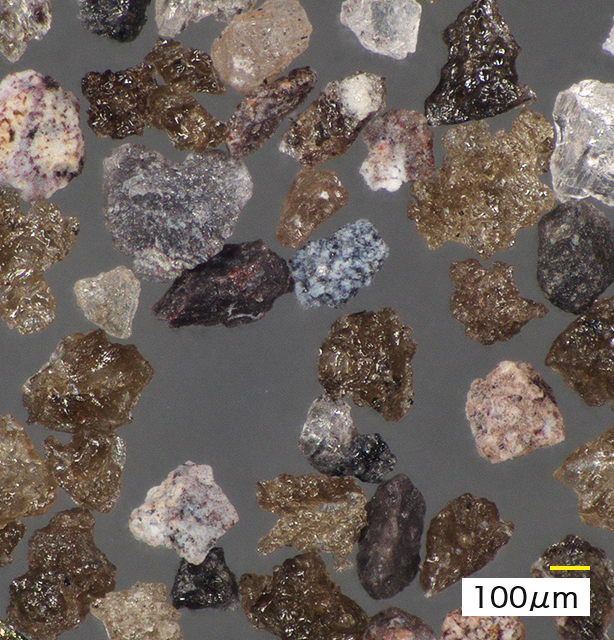
In South Kyushu—and Kagoshima in particular—painting contractors are known for their especially exacting standards when it comes to roof coatings. One reason is the volcanic ash from Sakurajima, which can fall suddenly depending on wind conditions. Viewed under a microscope, volcanic ash particles have sharp, pointed edges. If they settle on a coating film before it has fully hardened, they can damage the appearance of the finish. Intense UV exposure, which can cause colors to fade, presents another major challenge.
Fine Perfect Best has been widely adopted in South Kyushu for two main reasons: its excellent weather resistance and ease of application. Painting professionals have praised how quickly and cleanly the coating sets, noting that, “By the second coat, the roof can be walked on with minimal tackiness.” Even in areas affected by volcanic ash, the product supports efficient application while delivering a clean and attractive finish.
- Coating Film Structure of Fine Perfect Best
-
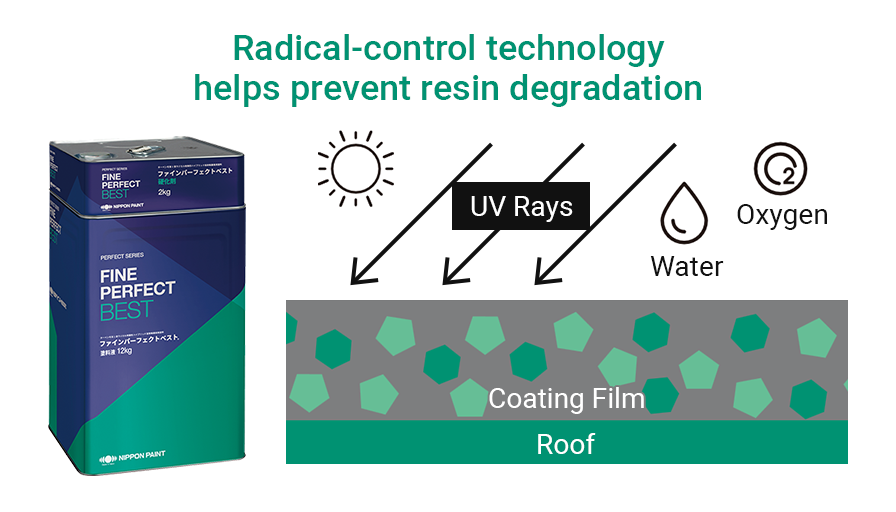
- What Are Radicals?
-
Radicals are substances that contribute to the degradation of coating films. They are believed to form when coatings are exposed to UV rays and oxygen.
- Special Light Stabilizer A: Blocks UV rays from penetrating the coating film and suppresses the formation of radicals.
- Special Light Stabilizer B: Deactivates radicals after they form, helping to prevent degradation of the coating film.
- Volcanic Ash Particles Viewed Under a Microscope*
-
* Source: Image cropped from the Geological Survey of Japan website (https://www.gsj.jp/hazards/volcano/kazanhonbu/sakurajima_260707_1.pdf)
An On-the-Ground Approach That Earns Lasting Trust
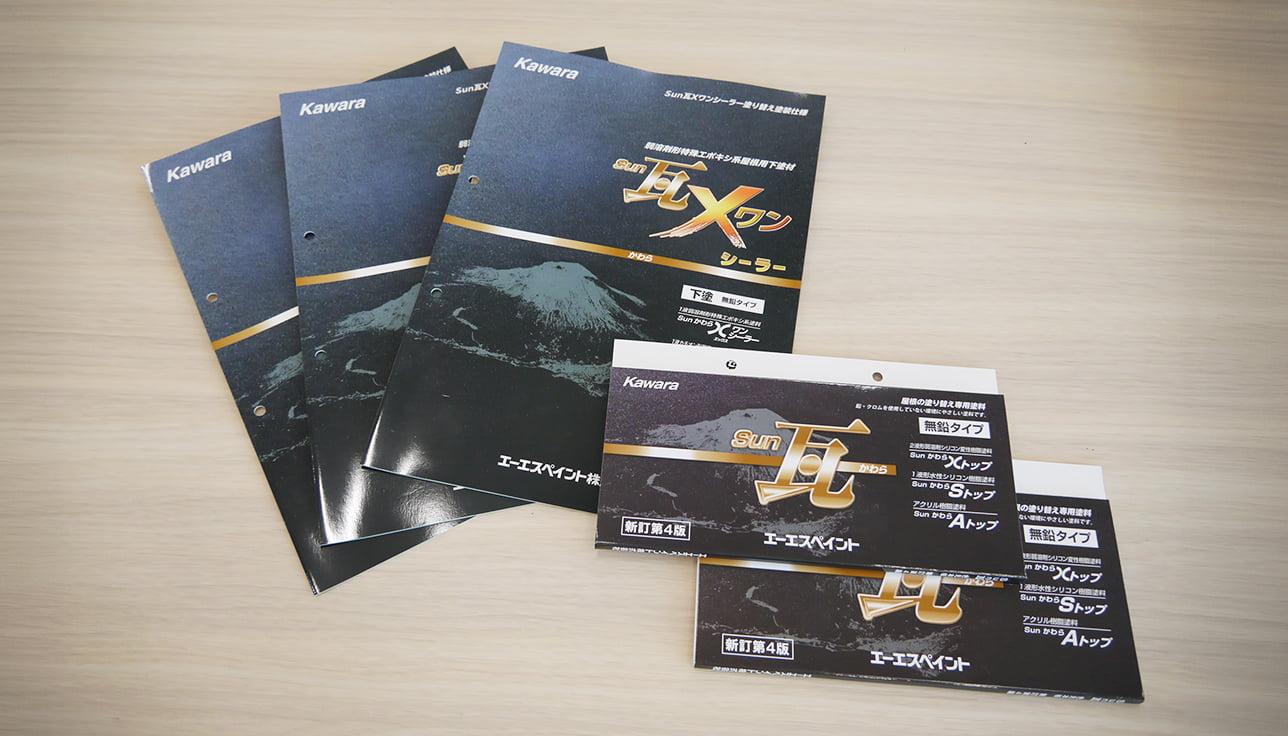
What our sales teams value most is an on-the-ground approach that has been passed down over many years. Their role extends beyond simply manufacturing and selling paint. They strive to provide products suited to local conditions—products that are easy for contractors to apply and that help keep customers’ roofs beautiful and protected for longer. The local climate, the experience and insights of skilled painters, and homeowners’ expectations regarding appearance must all be taken into account. By listening carefully and responding sincerely to each of these needs, we have built lasting trust within the local community. Products such as Sun Kawara were born in Kagoshima, and this local heritage is reflected in details such as the product catalog cover, which features Sakurajima. One premium color, made using special pigments, is even named Wazze Silver Black. The name incorporates the Kagoshima dialect word “wazze,” meaning “very.” Today, Sun Kawara and Fine Perfect Best continue to protect homes throughout the region from wind, rain, intense sunlight, and volcanic ash.